

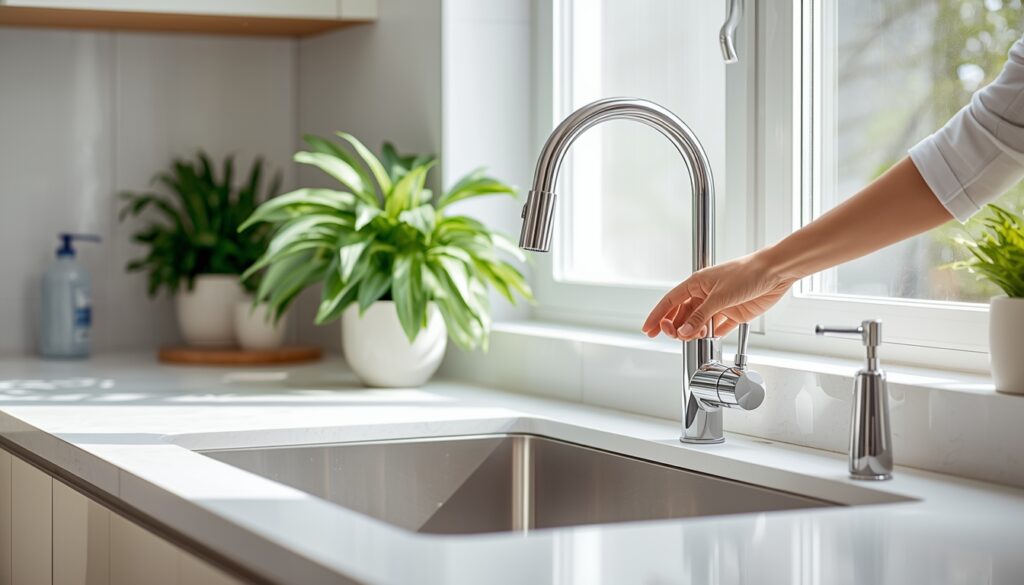
Water Conservation at Home: Simple Steps for a Sustainable Future
Water is one of our most precious resources, yet it’s often taken for granted. With increasing demand and environmental challenges, conserving water at home has become more important than ever. The good news is that small, everyday changes can make a big difference—not just for the environment, but also for your utility bills.
This guide will help you understand the importance of water conservation and provide practical ways to save water in your daily life.
Why Water Conservation Matters
1. Protects Natural Resources
Freshwater is limited. Conserving water helps preserve lakes, rivers, and groundwater for future generations.
2. Saves Money
Using less water reduces your monthly water bills and energy costs.
3. Reduces Environmental Impact
Less water usage means less energy needed for pumping, heating, and treatment.
4. Prepares for Water Shortages
Efficient water use ensures availability during droughts or supply issues.
Easy Ways to Conserve Water at Home
1. Fix Leaks Immediately
A small leak can waste a significant amount of water over time.
- Check taps, pipes, and toilets regularly
- Repair leaks as soon as possible
2. Turn Off the Tap When Not in Use
Simple habits can save liters of water daily:
- Turn off the tap while brushing teeth
- Avoid running water while washing dishes
3. Use Water-Efficient Fixtures
Install:
- Low-flow showerheads
- Water-saving faucets
- Dual-flush toilets
These reduce water usage without affecting performance.
4. Take Shorter Showers
Reducing shower time by just a few minutes can save a lot of water over time.
5. Reuse Water
- Use leftover water from washing vegetables for plants
- Collect rainwater for gardening
6. Run Full Loads Only
Operate washing machines and dishwashers only when full to maximize efficiency.
7. Water Plants Wisely
- Water plants early morning or evening
- Use a watering can instead of a hose
8. Install a Rainwater Harvesting System
Collecting rainwater is an effective way to conserve water and use it for non-drinking purposes.
9. Use a Bucket Instead of a Hose
While washing vehicles or cleaning outdoor areas, use a bucket to reduce water wastage.
10. Monitor Your Water Usage
Track your water consumption to identify areas where you can save more.
Water Conservation in the Kitchen
- Wash fruits and vegetables in a bowl instead of running water
- Reuse cooking water for other purposes
- Avoid overfilling utensils
Water Conservation in the Bathroom
- Use efficient flushing systems
- Avoid unnecessary long showers
- Turn off taps tightly after use
Benefits of Conserving Water
- Lower utility bills
- Sustainable living
- Reduced environmental impact
- Better resource management
- Increased awareness and responsibility
Common Mistakes to Avoid
- Ignoring small leaks
- Overwatering plants
- Running appliances with partial loads
- Using excessive water for cleaning
Final Thoughts
Water conservation at home is not difficult—it just requires awareness and consistent habits. By making small changes in your daily routine, you can contribute to a healthier planet and a more sustainable future.
Every drop counts. Start today and make a difference from your home.