

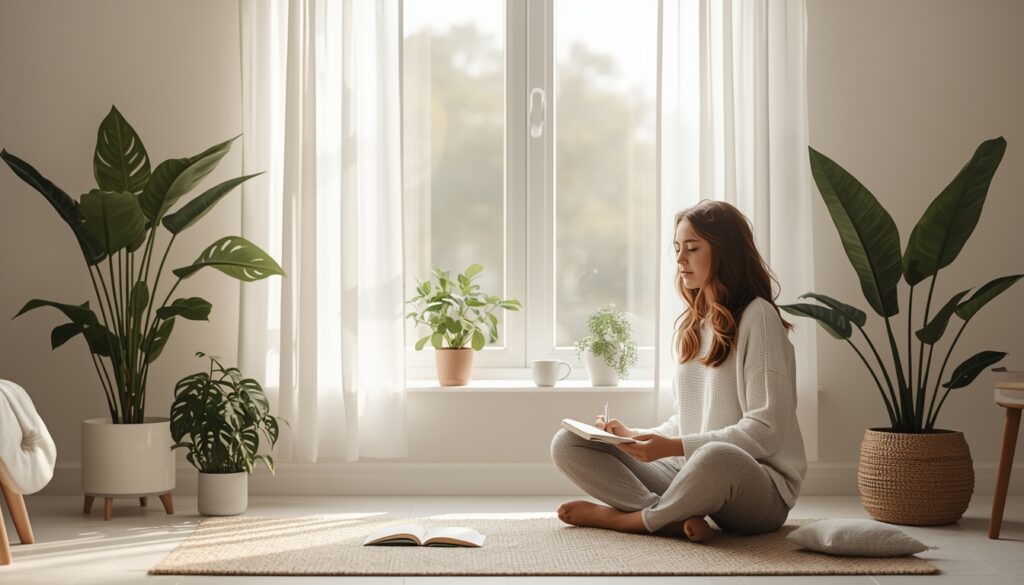
Mental Self-Care Tips: Nurturing Your Mind for a Healthier Life
In today’s fast-moving world, taking care of your mental health is just as important as looking after your physical well-being. Stress, pressure, and constant responsibilities can easily overwhelm the mind if we don’t take time to pause and recharge.
Mental self-care isn’t a luxury—it’s a necessity. It helps you stay balanced, improves your emotional strength, and allows you to handle life’s challenges more effectively. In this guide, we’ll explore practical and meaningful mental self-care tips to help you build a healthier and happier mindset.
What Is Mental Self-Care?
Mental self-care refers to activities and habits that support your emotional and psychological well-being. It’s about taking intentional steps to reduce stress, improve mood, and maintain a positive state of mind.
Why Mental Self-Care Matters
1. Reduces Stress and Anxiety
Regular self-care helps calm your mind and manage daily stress more effectively.
2. Improves Emotional Balance
You become more aware of your feelings and better equipped to handle them.
3. Boosts Productivity
A healthy mind leads to better focus, creativity, and decision-making.
4. Strengthens Relationships
When you feel mentally well, you communicate better and build stronger connections.
5. Enhances Overall Well-Being
Mental self-care improves your quality of life and inner peace.
Practical Mental Self-Care Tips
1. Take Breaks When Needed
Avoid burnout by giving yourself time to rest. Even short breaks can refresh your mind.
2. Practice Mindfulness
Stay present in the moment through simple mindfulness practices like deep breathing or observing your surroundings.
3. Maintain a Healthy Routine
A structured daily routine helps create stability and reduces mental clutter.
4. Limit Screen Time
Too much exposure to screens and social media can increase stress. Set boundaries for digital usage.
5. Express Your Thoughts
Journaling or talking to someone you trust can help release emotions and gain clarity.
6. Stay Physically Active
Exercise isn’t just for the body—it boosts your mood and reduces stress levels.
7. Get Enough Sleep
Quality sleep is essential for mental clarity and emotional stability.
8. Practice Gratitude
Focusing on positive aspects of life can improve your mindset and overall happiness.
9. Learn to Say No
Setting boundaries protects your time and mental energy.
10. Engage in Activities You Enjoy
Spend time on hobbies that bring you joy—reading, music, art, or nature walks.
Simple Daily Self-Care Habits
- Start your day with a positive thought
- Drink enough water
- Take short walks
- Avoid overthinking
- Practice deep breathing
Signs You Need Mental Self-Care
- Feeling constantly stressed or overwhelmed
- Lack of motivation
- Difficulty concentrating
- Mood swings
- Feeling emotionally drained
Recognizing these signs early helps you take action before burnout occurs.
Common Mistakes to Avoid
- Ignoring your emotions
- Overloading your schedule
- Comparing yourself to others
- Skipping rest and relaxation
- Expecting instant results
Self-care is a gradual process, not a quick fix.
Benefits of Mental Self-Care
- Better emotional control
- Improved focus and clarity
- Reduced anxiety and stress
- Increased self-awareness
- Greater life satisfaction
Creating Your Self-Care Routine
- Start small and be consistent
- Choose activities that suit you
- Set realistic goals
- Make time for yourself daily
- Track your progress
Final Thoughts
Mental self-care is about prioritizing your well-being and creating a balanced life. By adopting simple habits and taking time for yourself, you can build a strong and healthy mind.
Remember, taking care of your mental health is not selfish—it’s essential. When you feel better mentally, every aspect of your life improves.
Start today, one small step at a time.