

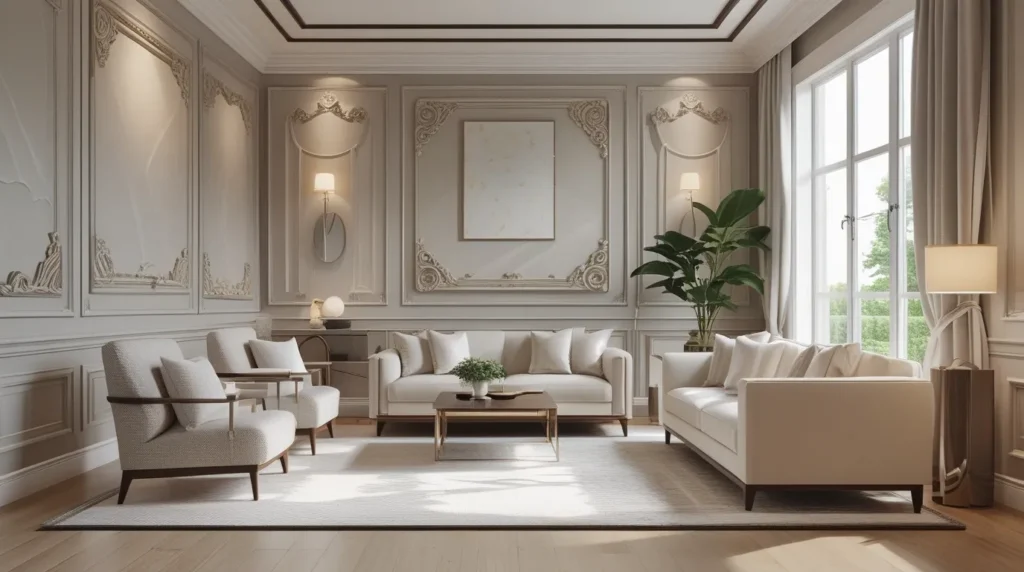
Wall Paneling and Molding: Adding Architectural Interest
Walls don’t have to be plain surfaces—they can become powerful design features that transform the entire look and feel of a space. Wall paneling and molding add depth, texture, and character, bringing a sense of craftsmanship and architectural detail to even the simplest rooms. Whether you prefer a classic, elegant style or a modern, minimal aesthetic, incorporating paneling can elevate your interiors without requiring a full renovation.
From subtle trim work to bold statement walls, these design elements help create visual interest while enhancing the overall atmosphere of your home.
What Is Wall Paneling and Molding?
- Wall paneling refers to decorative or functional panels applied to walls
- Molding (or trim) includes strips or patterns used to frame or enhance surfaces
Together, they create structure, symmetry, and a polished finish.
Benefits of Wall Paneling and Molding
- Adds depth and dimension to flat walls
- Enhances the visual appeal of any room
- Creates a high-end, custom look
- Can hide imperfections on walls
- Increases perceived property value
Even simple designs can make a significant difference.
Popular Types of Wall Paneling
1. Wainscoting
- Covers the lower portion of walls
- Often paired with chair rails
- Works well in dining rooms, hallways, and living areas
2. Board and Batten
- Vertical boards with raised strips (battens)
- Creates a clean, structured look
- Ideal for modern and farmhouse styles
3. Shiplap
- Horizontal wooden planks
- Adds texture with a relaxed, rustic feel
- Popular in casual and coastal interiors
4. Raised Panel
- Traditional, classic style
- Adds elegance and formality
- Common in formal living rooms or offices
5. Flat Panel (Minimalist Style)
- Sleek and contemporary
- Uses simple geometric frames
- Perfect for modern interiors
Types of Molding to Consider
- Crown molding (ceiling edges)
- Baseboards (floor edges)
- Chair rails (mid-wall division)
- Picture frame molding (decorative wall frames)
- Ceiling medallions (accent pieces)
Each element contributes to a cohesive design.
Choosing the Right Style for Your Space
Consider Your Room Size
- Smaller rooms benefit from simple, lighter designs
- Larger rooms can handle bold and detailed paneling
Match Your Interior Style
- Classic interiors → raised panels and crown molding
- Modern interiors → flat panels and clean lines
- Rustic interiors → shiplap or natural wood finishes
Think About Color
- White or neutral tones create elegance
- Dark colors add drama and depth
- Matching wall color creates subtle texture
Installation Tips
- Measure walls accurately before starting
- Use level lines to ensure symmetry
- Plan layout on paper first
- Choose durable materials (MDF, wood, PVC)
- Paint or finish after installation for a clean look
DIY is possible, but precision is key.
Styling Ideas to Elevate the Look
- Pair paneling with wall art or mirrors
- Add lighting like sconces to highlight texture
- Combine with contrasting furniture
- Use wallpaper within panel frames
- Create accent walls for focal points
Layering design elements enhances visual impact.
Common Mistakes to Avoid
- Overcrowding walls with too many patterns
- Ignoring proportions and spacing
- Using mismatched styles
- Poor installation alignment
- Choosing colors that clash with the room
Balance and consistency are essential.
Final Thoughts
Wall paneling and molding are timeless design elements that bring structure, elegance, and personality to any space. Whether you choose subtle trim or bold architectural features, these additions can transform ordinary walls into standout design statements. With thoughtful planning and attention to detail, you can create interiors that feel refined, stylish, and uniquely yours.