

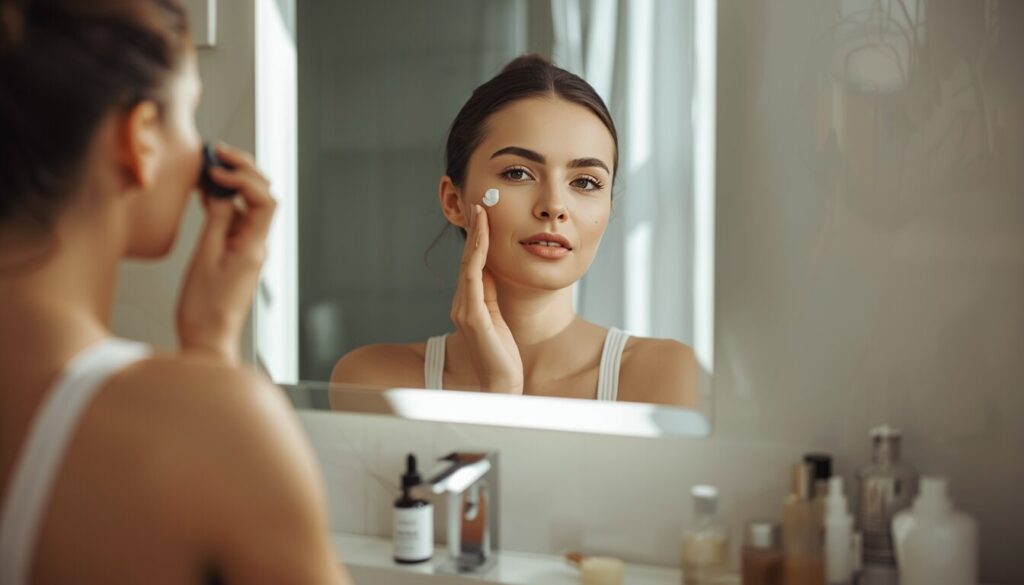
The Most Effective Acne Spot Treatments on the Market
Acne breakouts have a way of appearing at the most inconvenient moments. While a full skincare routine helps prevent future breakouts, acne spot treatments are designed to act fast—targeting individual pimples to reduce redness, inflammation, and healing time.
Understanding how spot treatments work and choosing the right one for your skin type can make a noticeable difference in how quickly blemishes disappear and how your skin recovers afterward.
What Are Acne Spot Treatments?
Acne spot treatments are targeted skincare products applied directly to active breakouts rather than the entire face. They deliver concentrated ingredients that:
- Kill acne-causing bacteria
- Reduce swelling and redness
- Dry out active pimples
- Speed up the healing process
Because they’re highly potent, they should be used sparingly and strategically.
Different Types of Acne Spot Treatments
Not all acne is the same, and spot treatments work best when matched to the type of breakout you’re dealing with.
1. Gel and Cream-Based Spot Treatments
These are the most common and are ideal for inflamed pimples, whiteheads, and early-stage breakouts. They absorb quickly and are easy to layer under skincare.
Best for: Oily and combination skin
2. Hydrocolloid Pimple Patches
Pimple patches draw out fluid and impurities while protecting blemishes from bacteria and picking. They are especially effective for surface-level pimples and overnight healing.
Best for: Whiteheads and visible pimples
3. Drying Lotions
These treatments often contain sulfur or zinc and are designed to dry out pimples quickly. They are usually applied overnight and washed off in the morning.
Best for: Stubborn, inflamed breakouts
4. Soothing Spot Treatments
These focus on calming redness and inflammation rather than aggressively drying the pimple. They often contain ingredients like niacinamide or centella asiatica.
Best for: Sensitive or acne-prone skin
Key Ingredients That Actually Work
Salicylic Acid
A beta-hydroxy acid that penetrates deep into pores, dissolving oil and dead skin. It’s highly effective for clogged pores and blackheads.
Benzoyl Peroxide
Kills acne-causing bacteria and reduces inflammation. It works quickly but can be drying, so moderation is key.
Sulfur
Draws out impurities and absorbs excess oil while gently exfoliating the skin.
Niacinamide
Reduces redness, balances oil production, and strengthens the skin barrier—ideal for calming irritated breakouts.
Tea Tree Oil
A natural antibacterial ingredient that can help mild acne when used in low concentrations.
How to Use Acne Spot Treatments Correctly
Using spot treatments incorrectly can cause irritation or worsen acne. Follow these best practices:
- Cleanse your face thoroughly before application
- Apply a small amount directly on the pimple, not surrounding skin
- Use once or twice daily unless directed otherwise
- Avoid layering multiple strong spot treatments at once
- Always moisturize to protect the skin barrier
For overnight results, apply before bed and let the treatment work uninterrupted.
Common Mistakes to Avoid
- Overapplying product (more is not better)
- Using spot treatments on unbroken skin
- Picking or squeezing pimples
- Skipping sunscreen during the day
- Applying on broken or irritated skin
Consistency and patience are more effective than aggressive use.
Choosing the Right Spot Treatment for Your Skin Type
- Oily skin: Salicylic acid or benzoyl peroxide gels
- Sensitive skin: Niacinamide or soothing treatments
- Dry skin: Low-strength treatments with added hydration
- Combination skin: Pimple patches for surface acne, gels for deeper breakouts
Patch testing is always recommended before first use.
When Spot Treatments Aren’t Enough
If acne is frequent, painful, or leaves scars, spot treatments alone may not be sufficient. In such cases, a consistent skincare routine or professional guidance from a dermatologist can help address the root cause.
Final Thoughts
The most effective acne spot treatments are those that suit your skin type, target the right kind of breakout, and are used correctly. Whether you prefer fast-acting gels, calming treatments, or protective pimple patches, the key is understanding what your skin needs in the moment. With mindful use, spot treatments can become a reliable tool for clearer skin and faster healing—without disrupting your entire skincare routine.