

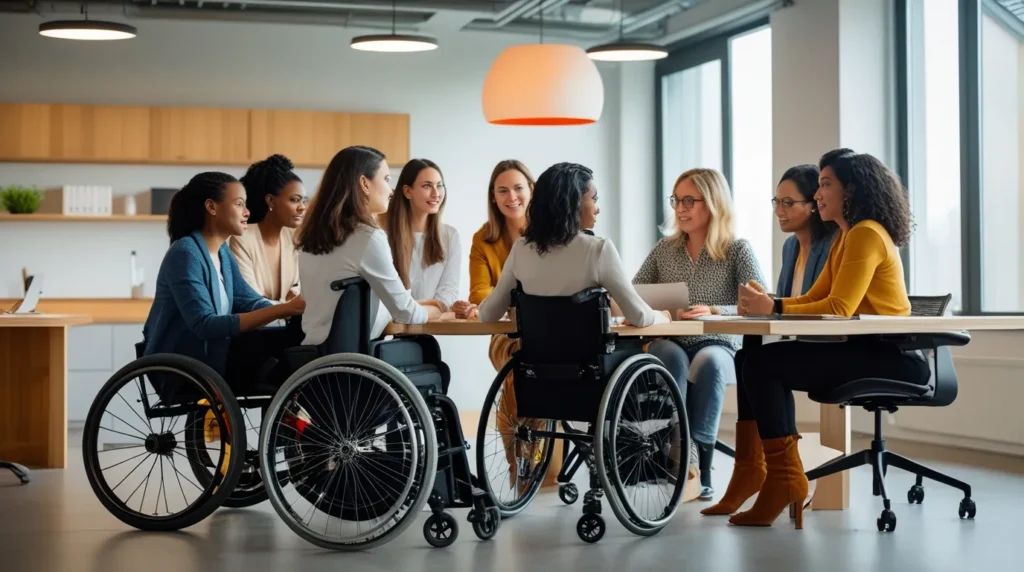
The Intersection of Women’s Rights and Disability Advocacy
The fight for equality is not one-dimensional. Women’s rights and disability advocacy intersect in powerful ways, highlighting the unique challenges faced by women with disabilities. These individuals often experience multiple layers of discrimination—based on gender, ability, and sometimes socioeconomic status, race, or location. Understanding this intersection is essential for building inclusive societies where all voices are heard and respected.
Addressing these overlapping issues requires more than separate movements; it demands integrated approaches that recognize and respond to diverse lived experiences.
What Is Intersectionality?
The concept of intersectionality was introduced by Kimberlé Crenshaw. It explains how different aspects of identity—such as gender, disability, race, and class—interact to create unique experiences of discrimination or privilege.
For women with disabilities, intersectionality highlights how barriers are not isolated but interconnected.
Key Challenges Faced by Women with Disabilities
1. Limited Access to Education
- Physical and social barriers restrict schooling opportunities
- Lack of inclusive infrastructure and teaching methods
- Reduced access to higher education and skill development
2. Employment Inequality
- Lower employment rates compared to others
- Workplace discrimination and bias
- Lack of accessible work environments
3. Healthcare Barriers
- Inadequate access to inclusive healthcare services
- Limited reproductive and sexual health education
- Healthcare systems often overlook disability-specific needs
4. Increased Risk of Violence
- Higher vulnerability to abuse and exploitation
- Lack of accessible reporting systems
- Social isolation can increase risk
5. Social Stigma and Exclusion
- Negative stereotypes about ability and gender roles
- Reduced participation in community and decision-making
- Cultural barriers that limit independence
Why This Intersection Matters
- Ensures no group is overlooked in policy-making
- Promotes inclusive development and equality
- Strengthens advocacy efforts through collaboration
- Highlights the need for tailored solutions
Ignoring intersectionality can lead to incomplete or ineffective policies.
Progress and Advocacy Efforts
Organizations like UN Women and World Health Organization work toward inclusive policies and awareness programs that support both gender equality and disability rights.
These efforts focus on:
- Inclusive education systems
- Equal employment opportunities
- Accessible healthcare services
- Legal protections against discrimination
How to Support Inclusive Change
1. Promote Accessibility
- Support inclusive infrastructure and design
- Encourage digital accessibility
2. Raise Awareness
- Educate others about intersectionality
- Share inclusive narratives and stories
3. Advocate for Policy Change
- Support laws that protect rights
- Push for inclusive government policies
4. Amplify Voices
- Listen to women with disabilities
- Support their leadership and representation
Role of Communities and Individuals
- Practice inclusive language and behavior
- Challenge stereotypes and biases
- Support organizations working in this space
- Create opportunities for participation and leadership
Small actions can contribute to broader social change.
Final Thoughts
The intersection of women’s rights and disability advocacy reminds us that equality must be inclusive to be meaningful. Women with disabilities face unique challenges that require thoughtful, intersectional solutions. By recognizing these complexities and working toward inclusive systems, societies can move closer to true equity.
Empowering every individual—regardless of gender or ability—is not just a goal; it’s a responsibility. When advocacy efforts come together, they create stronger, more lasting change that benefits everyone.