

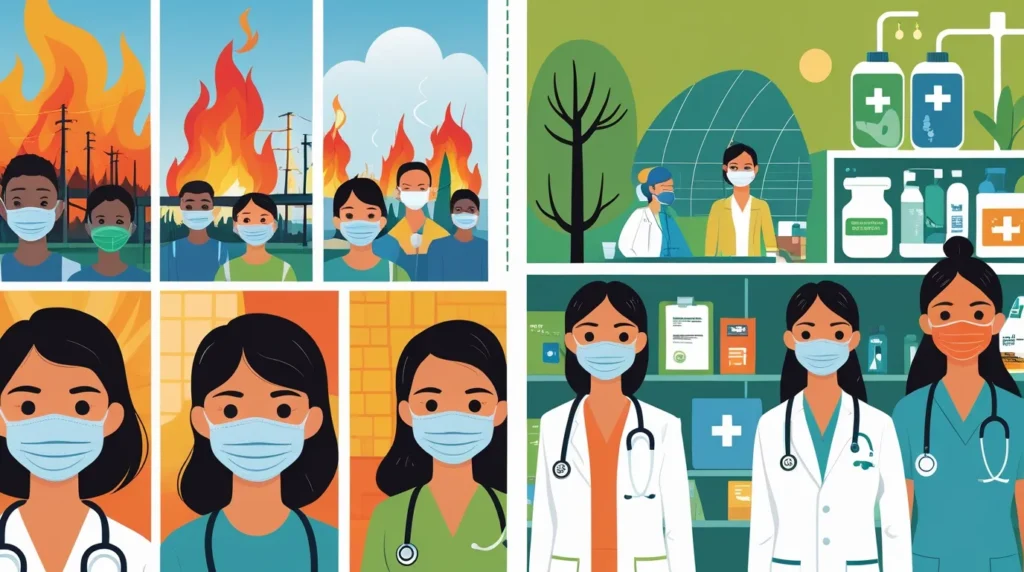
The Connection Between Climate Change and Public Health
Climate change is no longer just an environmental issue — it is a major public health challenge. Rising global temperatures, extreme weather events, air pollution, and changing ecosystems are directly affecting human health across the world.
From increased respiratory illnesses to the spread of infectious diseases and mental health stressors, climate change impacts who gets sick, where, and how often. Understanding this connection is essential for building healthier, more resilient communities and protecting vulnerable populations.
1. Heatwaves and Heat-Related Illnesses
- Rising temperatures increase the frequency and intensity of heatwaves.
- Heat exhaustion, heatstroke, dehydration, and cardiovascular stress become more common.
- Elderly people, children, outdoor workers, and low-income communities face higher risks.
Why it matters: Extreme heat is one of the deadliest climate-related hazards globally.
2. Air Pollution and Respiratory Diseases
- Climate change worsens air quality by increasing wildfires and ground-level ozone.
- Poor air quality contributes to asthma, bronchitis, lung disease, and heart conditions.
- Children and people with pre-existing conditions are especially vulnerable.
Key impact: Long-term exposure increases healthcare costs and reduces quality of life.
3. Spread of Infectious Diseases
- Warmer temperatures expand habitats for mosquitoes, ticks, and other disease carriers.
- Diseases like malaria, dengue, Zika, and Lyme disease are appearing in new regions.
- Flooding and poor sanitation increase waterborne diseases such as cholera.
Why it matters: Climate-driven disease spread strains public health systems.
4. Food Security and Nutrition Risks
- Climate change disrupts agriculture through droughts, floods, and unpredictable weather.
- Reduced crop yields lead to food shortages and rising food prices.
- Malnutrition and nutrient deficiencies increase, especially in developing regions.
Impact: Food insecurity directly affects child development and immune health.
5. Mental Health Effects
- Climate disasters can trigger anxiety, depression, PTSD, and chronic stress.
- Climate-related displacement leads to loss of homes, livelihoods, and social support.
- Ongoing climate anxiety affects young people and future-focused populations.
Why it matters: Mental health is a critical yet often overlooked climate impact.
6. Water Scarcity and Sanitation Challenges
- Droughts reduce access to clean drinking water.
- Flooding contaminates water supplies with bacteria and pollutants.
- Poor sanitation increases disease transmission.
Public health risk: Limited clean water undermines hygiene, nutrition, and healthcare.
7. Health Inequality and Vulnerable Communities
- Low-income and marginalized communities are disproportionately affected.
- Limited access to healthcare, housing, and resources increases vulnerability.
- Climate change widens existing health disparities.
Key insight: Climate justice and public health equity are deeply connected.
8. Building Climate-Resilient Health Systems
- Strengthening healthcare infrastructure for climate emergencies.
- Early warning systems for heatwaves and disease outbreaks.
- Promoting clean energy, green spaces, and sustainable urban planning.
Why it works: Prevention and preparedness save lives and reduce long-term costs.
Final Thoughts
The connection between climate change and public health is undeniable and urgent. 🌱
Protecting the planet means protecting human lives. By addressing climate risks, investing in resilient healthcare systems, and prioritizing vulnerable communities, societies can reduce health impacts while building a safer, healthier future for all. Climate action is not just environmental responsibility — it’s public health prevention at a global scale.