

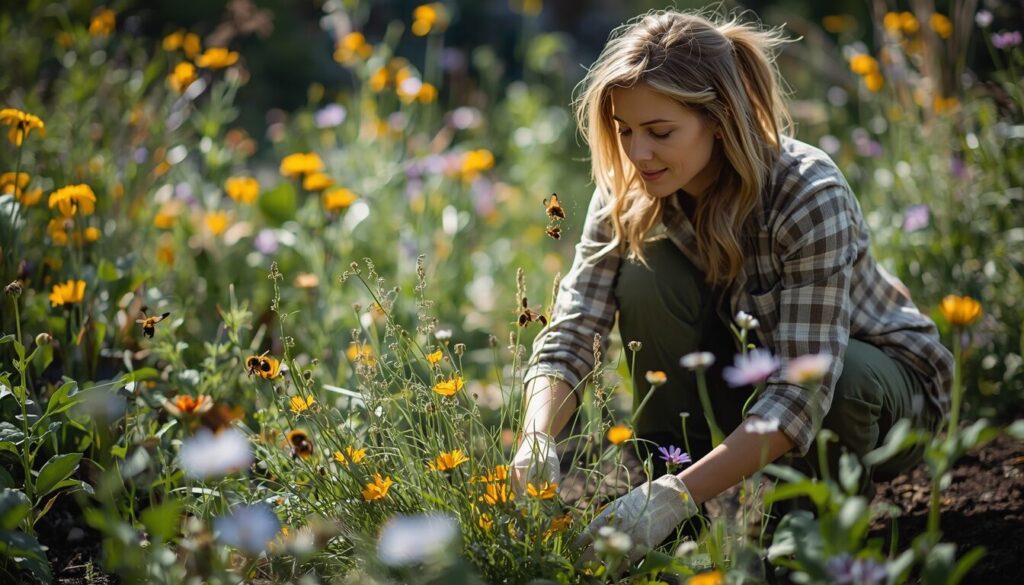
The Benefits of Rewilding and Supporting Local Biodiversity
As environmental challenges grow worldwide, rewilding has emerged as a powerful and hopeful solution. Rewilding focuses on restoring natural ecosystems and allowing nature to heal itself, while supporting local biodiversity ensures plants, animals, and ecosystems can thrive together. Even small, local efforts can create meaningful environmental impact.
Rewilding isn’t only about vast forests or remote landscapes—it can begin right in our own gardens, communities, and cities.
What Is Rewilding?
Rewilding is the process of returning land to a more natural state by reducing human intervention and encouraging native species to flourish. It allows ecosystems to regain balance through natural processes rather than constant management.
This approach supports healthier soil, cleaner air and water, and resilient ecosystems.
Why Local Biodiversity Matters
Local biodiversity refers to the variety of native plants, insects, birds, and animals within a specific area. Each species plays a role in maintaining ecological balance.
Healthy biodiversity:
- Strengthens ecosystems
- Improves soil and water quality
- Supports pollination and food systems
- Helps ecosystems adapt to climate change
When biodiversity declines, ecosystems become fragile and less capable of recovery.
Environmental Benefits of Rewilding
Restores Natural Balance
Rewilding allows native species to return, helping ecosystems regulate themselves naturally.
Supports Pollinators
Native plants attract bees, butterflies, and other pollinators essential for food production.
Improves Climate Resilience
Healthy ecosystems store carbon, reduce flooding, and help regulate temperatures.
Enhances Soil and Water Health
Rewilded land improves soil fertility and reduces erosion and runoff.
Benefits for Communities and Wellbeing
Rewilding doesn’t just help nature—it also benefits people.
- Creates greener, more beautiful spaces
- Improves mental health and reduces stress
- Encourages outdoor activity and learning
- Strengthens community connection to nature
Nature-rich environments are proven to support emotional wellbeing and mindfulness.
How Individuals Can Support Rewilding Locally
You don’t need large land or special expertise to make a difference.
Simple actions include:
- Planting native species in gardens or balconies
- Leaving small wild areas instead of manicured lawns
- Creating pollinator-friendly spaces
- Reducing pesticide and chemical use
- Supporting local conservation initiatives
Even small changes contribute to larger ecological recovery.
Rewilding in Urban Spaces
Cities can also embrace rewilding. Green roofs, community gardens, roadside wildflowers, and urban wetlands help restore biodiversity where people live and work.
Urban rewilding reconnects communities with nature and creates healthier living environments.
A Collective Responsibility
Supporting rewilding and biodiversity is a shared effort. When individuals, communities, and policymakers work together, ecosystems recover faster and more sustainably.
Nature thrives best when given space, time, and respect.
Final Thoughts
Rewilding and supporting local biodiversity offer a hopeful path toward environmental healing. By restoring natural habitats and protecting native species, we strengthen ecosystems, improve human wellbeing, and build resilience against climate change. Whether through small garden choices or community-wide initiatives, every effort matters. When we allow nature to lead, both the planet and people flourish together.