

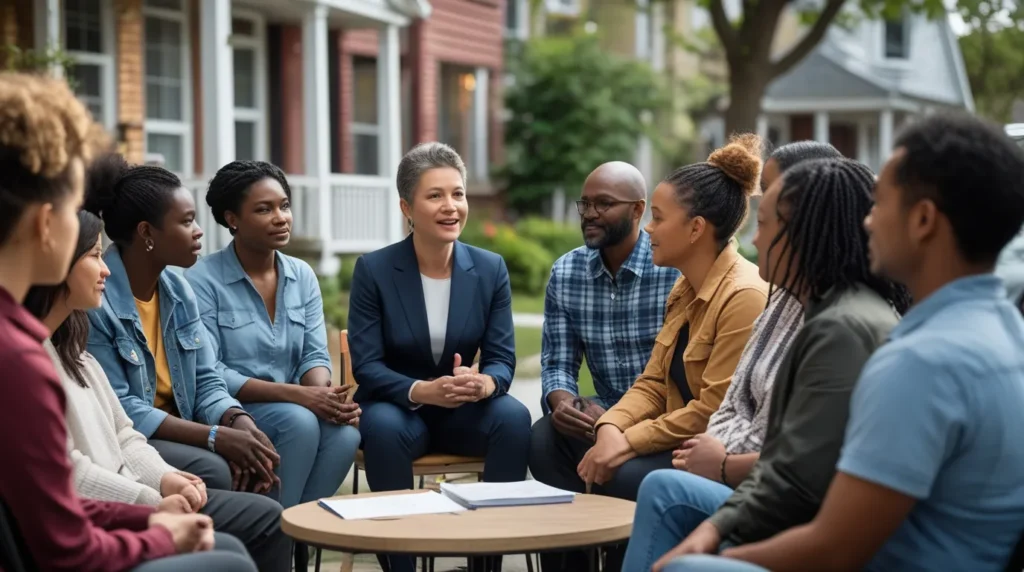
Stories of Community Leaders Making Local Change
Real change often begins at the local level—through individuals who see a problem and choose to act. Community leaders don’t always hold official titles or positions of power; they are everyday people driven by purpose, compassion, and a commitment to improving the lives of others. From addressing education gaps to promoting environmental sustainability, these leaders create meaningful change by mobilizing people, resources, and ideas within their communities.
Their stories remind us that impactful leadership is not about scale—it’s about consistency, courage, and connection.
What Defines a Community Leader?
Community leaders are individuals who:
- Identify challenges within their local environment
- Inspire others to take action
- Build trust and collaboration
- Work toward sustainable, long-term solutions
They often operate at the grassroots level, where their efforts directly affect daily lives.
Inspiring Stories of Local Change
1. Malala Yousafzai – Advocating for Education
Malala began advocating for girls’ education in her community at a young age. Despite facing serious challenges, she continued her mission, eventually creating global awareness around access to education.
Impact lessons:
- Courage can spark global movements
- Education is a powerful tool for change
- One voice can inspire millions
2. Wangari Maathai – Environmental Restoration
Wangari Maathai founded the Green Belt Movement, encouraging communities to plant trees to combat deforestation and support women’s livelihoods.
Impact lessons:
- Small environmental actions can scale
- Community participation drives sustainability
- Empowering others multiplies impact
3. Kailash Satyarthi – Protecting Children’s Rights
Kailash Satyarthi has rescued thousands of children from labor and exploitation while advocating for global child rights.
Impact lessons:
- Persistence leads to systemic change
- Advocacy can influence policies
- Protecting vulnerable groups strengthens society
4. Grassroots Volunteer Leader (Everyday Hero)
In many neighborhoods, local leaders organize:
- Food drives
- Community clean-ups
- Educational support programs
These individuals may not be widely known, but their impact is immediate and meaningful.
Impact lessons:
- Change doesn’t require fame
- Local action creates visible results
- Leadership begins with initiative
Key Traits of Effective Community Leaders
- Empathy and understanding
- Strong communication skills
- Consistency and dedication
- Problem-solving mindset
- Ability to inspire and mobilize others
These traits help leaders build trust and long-term impact.
How Community Leaders Create Change
1. Identifying Local Needs
- Observing gaps in resources or services
- Listening to community concerns
2. Building Connections
- Engaging with residents
- Collaborating with organizations
3. Taking Action
- Launching initiatives or programs
- Organizing volunteers
4. Sustaining Efforts
- Maintaining consistency
- Adapting to challenges
Challenges Community Leaders Face
- Limited resources or funding
- Resistance or lack of support
- Burnout and emotional stress
- Balancing personal and community responsibilities
Despite these challenges, their commitment drives progress.
How You Can Become a Community Leader
- Start small—identify one issue you care about
- Connect with like-minded individuals
- Take consistent action
- Focus on long-term impact
- Lead by example
Leadership begins with willingness, not position.
Final Thoughts
Stories of community leaders show that meaningful change doesn’t require global recognition—it starts with local action and genuine care. Whether it’s advocating for education like Malala Yousafzai, protecting the environment like Wangari Maathai, or fighting for human rights like Kailash Satyarthi, each effort contributes to a better world.
At its core, community leadership is about showing up, taking responsibility, and inspiring others to do the same. Even the smallest actions can create ripple effects that transform lives and communities over time.