

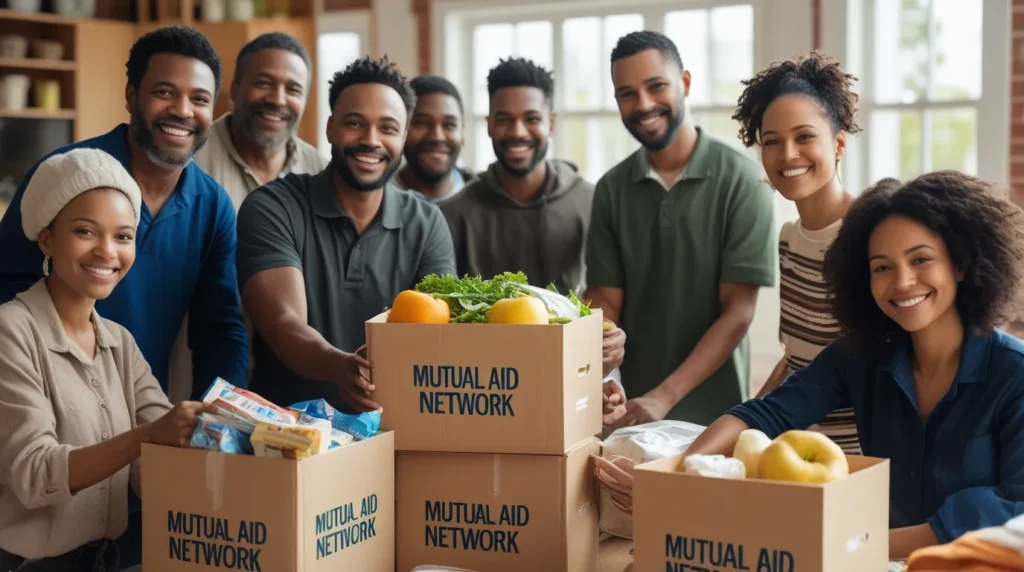
Start a Local Mutual Aid Network in Your Neighborhood
Mutual aid networks are community-driven systems where neighbors help one another meet basic needs, share resources, and build stronger local support systems. Unlike traditional charities, mutual aid is reciprocal, collaborative, and inclusive, empowering everyone involved.
Starting a local network can strengthen community ties, provide assistance during crises, and foster a sense of belonging. Whether your goal is to share food, offer transportation, or provide emotional support, a mutual aid network can make a meaningful difference in your neighborhood.
Why Mutual Aid Networks Are Important
- Community resilience: Helps communities cope with emergencies or shortages.
- Shared resources: Encourages sharing skills, goods, and services.
- Social connection: Builds trust and strengthens local relationships.
- Inclusivity: Ensures support reaches those often overlooked by traditional systems.
- Empowerment: Encourages self-reliance while fostering collaboration.
Steps to Start a Mutual Aid Network
1. Identify Needs in Your Community
- Conduct surveys or informal discussions to understand what people need most.
- Common needs include groceries, transportation, childcare, eldercare, and tutoring.
2. Gather a Core Group of Volunteers
- Start with a small team of trusted neighbors passionate about community support.
- Assign roles like coordination, outreach, or resource management.
3. Choose a Communication Platform
- Use tools like WhatsApp, Facebook Groups, Slack, or email lists to stay connected.
- Keep communication clear, organized, and accessible.
4. Create Guidelines and Agreements
- Set expectations for participation, safety, and accountability.
- Decide how resources will be shared and how requests will be handled.
5. Start Small and Focused
- Begin with one or two types of support (e.g., grocery runs or skill sharing).
- Build trust and refine your process before expanding.
6. Promote Your Network
- Spread the word through flyers, local social media, or word of mouth.
- Emphasize that mutual aid is about community collaboration, not charity.
7. Build Partnerships
- Connect with local businesses, schools, or community centers.
- Partnering can provide additional resources and increase reach.
8. Celebrate and Document Successes
- Share positive stories and accomplishments with the community.
- Recognize volunteers’ contributions to maintain engagement and morale.
Tips for Sustainability
- Stay organized: Keep a record of requests, offers, and resources.
- Maintain transparency: Ensure fairness and accountability.
- Encourage participation: Invite diverse voices and skills.
- Adapt and evolve: Be flexible based on community needs.
- Prioritize safety: Protect privacy and create guidelines for in-person support.
Final Thoughts
Starting a local mutual aid network is a powerful way to foster resilience, solidarity, and care in your neighborhood. By connecting neighbors and pooling resources, you can create a system that uplifts everyone.
Mutual aid is more than helping others — it’s building a stronger, more compassionate community where everyone contributes and benefits. With planning, commitment, and collaboration, your neighborhood can become a model of care, support, and shared responsibility. 🤝🏘️