

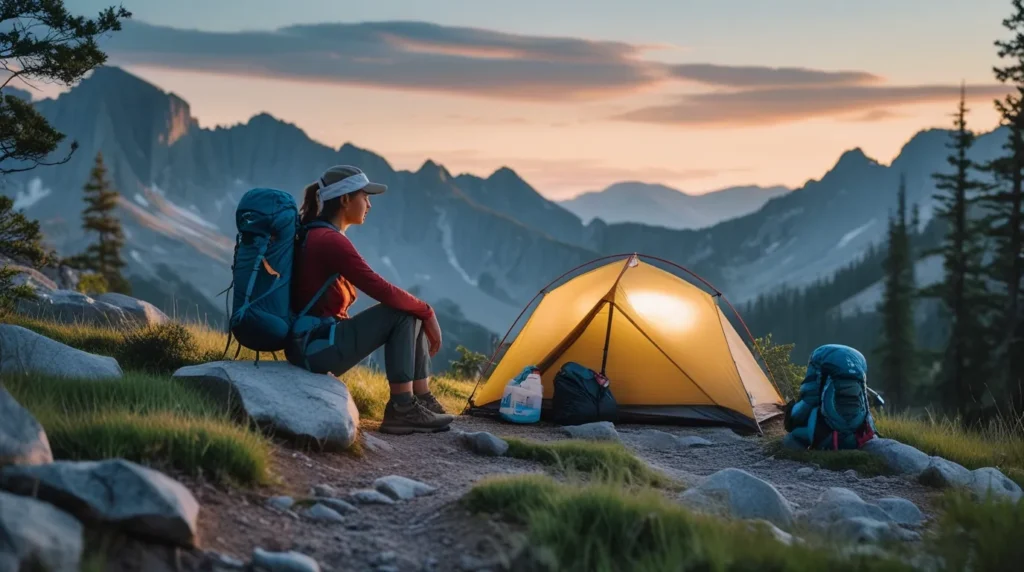
Solo Camping and Hiking Essential Gear and Safety
Solo camping and hiking can be one of the most empowering and rewarding outdoor experiences. Traveling alone allows you to move at your own pace, connect deeply with nature, and build confidence and self-reliance. However, being alone in the wilderness also requires careful preparation, the right gear, and a strong focus on safety. This guide covers everything you need to know to enjoy solo adventures responsibly and confidently.
Why Choose Solo Camping and Hiking
- Complete freedom and flexibility
- Deep connection with nature
- Improved mental clarity and mindfulness
- Builds self-confidence and resilience
- Opportunity for personal growth and reflection
Essential Gear for Solo Camping and Hiking
1. Navigation and Communication
- GPS device or smartphone with offline maps
- Physical map and compass
- Fully charged power bank
- Whistle for emergency signaling
2. Shelter and Sleep System
- Lightweight tent or bivy sack
- Sleeping bag suitable for weather conditions
- Sleeping pad for insulation and comfort
- Groundsheet or footprint
3. Clothing and Footwear
- Weather-appropriate layered clothing
- Moisture-wicking base layers
- Insulated jacket
- Waterproof outer shell
- Durable hiking boots or trail shoes
- Extra socks and gloves
4. Food and Water
- High-energy, non-perishable food
- Dehydrated meals or ready-to-eat snacks
- Portable stove and fuel
- Lightweight cookware
- Water bottles or hydration bladder
- Water filter or purification tablets
5. Safety and Emergency Gear
- First aid kit
- Headlamp or flashlight with extra batteries
- Multi-tool or knife
- Fire starter (matches, lighter, fire steel)
- Emergency blanket
- Personal alarm
6. Backpack Essentials
- Backpack with proper support
- Rain cover
- Trekking poles for stability
- Trash bags (Leave No Trace principle)
Safety Tips for Solo Camping and Hiking
Plan Thoroughly
- Research the trail and terrain
- Check weather forecasts
- Know local wildlife and risks
- Set realistic distance and elevation goals
Share Your Itinerary
- Inform someone of your route and return time
- Leave emergency contact information
- Use trail registers when available
Trust Your Instincts
- Turn back if conditions worsen
- Avoid risky shortcuts
- Listen to your body and rest when needed
Stay Aware of Wildlife
- Store food securely
- Make noise when necessary
- Carry bear spray where recommended
- Learn wildlife behavior in the region
Practice Campsite Safety
- Choose safe, flat ground
- Avoid camping near cliffs or water edges
- Keep fire small and controlled
- Extinguish fires completely
Mental Preparedness for Solo Adventures
- Stay calm in unexpected situations
- Practice basic survival skills beforehand
- Carry a positive and adaptable mindset
- Embrace solitude without fear
Common Mistakes to Avoid
- Overpacking or underpacking
- Ignoring weather conditions
- Skipping navigation tools
- Poor food planning
- Not checking gear before departure
Benefits of Solo Outdoor Adventures
- Increased independence
- Stronger problem-solving skills
- Improved physical fitness
- Mental relaxation and stress relief
- Greater appreciation for nature
Final Thoughts
Solo camping and hiking can be deeply fulfilling when approached with respect for nature and personal limits. The right gear, thoughtful planning, and strong safety practices turn solitude into strength rather than risk. Whether you’re heading into the mountains, forests, or trails, preparation is your greatest companion. With caution and confidence, solo adventures can become some of the most memorable journeys of your life.