

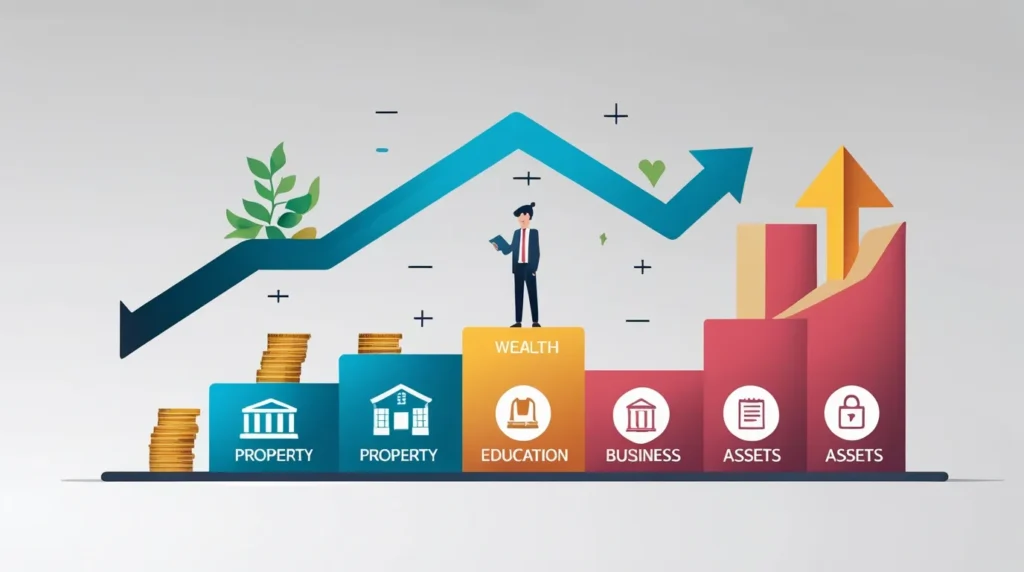
How to Use Debt Strategically to Build Wealth
Debt is often portrayed as something to avoid at all costs, but when used wisely, it can be a powerful financial tool. Strategic debt helps you acquire assets, increase earning potential, and accelerate wealth creation. The key is understanding the difference between productive debt and destructive debt—and learning how to manage risk responsibly.
Understanding Good Debt vs Bad Debt
Good (Productive) Debt
- Generates income or appreciates in value
- Has relatively low interest rates
- Offers tax advantages in some cases
Examples:
- Education loans that increase earning power
- Home loans for appreciating property
- Business loans used to generate revenue
- Investment-backed loans
Bad (Unproductive) Debt
- Funds depreciating or non-essential purchases
- Carries high interest rates
- Provides no long-term financial return
Examples:
- Credit card debt for lifestyle spending
- High-interest personal loans
- Buy-now-pay-later misuse
Ways to Use Debt Strategically
1. Invest in Income-Generating Assets
- Rental real estate
- Business ventures
- Equipment or tools that increase productivity
- Franchises or scalable services
2. Leverage Education and Skill Development
- Professional certifications
- Advanced degrees with strong ROI
- Skill-based courses that increase income
3. Use Low-Interest Loans Wisely
- Fixed-rate loans reduce risk
- Compare interest rates and fees
- Avoid variable-rate debt unless necessary
4. Leverage for Growth, Not Lifestyle
- Use debt to build assets, not fund luxuries
- Focus on long-term value creation
Key Principles of Strategic Debt Management
- Maintain a strong credit score
- Keep debt-to-income ratio manageable
- Ensure cash flow can cover repayments
- Diversify income sources
- Have an emergency fund in place
Risks and How to Manage Them
Interest Rate Risk
- Lock in fixed rates when possible
- Refinance when rates drop
Cash Flow Risk
- Stress-test finances for income dips
- Avoid over-leveraging
Market Risk
- Don’t rely on appreciation alone
- Invest in assets with steady income potential
Smart Debt Practices
- Track all liabilities clearly
- Pay high-interest debt aggressively
- Reinvest profits instead of lifestyle inflation
- Review loan terms regularly
- Seek professional advice when needed
Common Mistakes to Avoid
- Using debt for consumption rather than investment
- Overestimating future income
- Ignoring interest compounding
- Taking on too much leverage too fast
- Mixing personal and business debt
Final Thoughts
Debt itself is neither good nor bad—it’s how you use it that matters. Strategic debt, applied thoughtfully and managed responsibly, can accelerate wealth creation and expand opportunities. By focusing on productive assets, maintaining financial discipline, and understanding risks, debt can become a tool for growth rather than a burden.