

How to Start a Creative Journaling or Art Journaling Habit
Creative journaling—often called art journaling—is a powerful way to express thoughts, explore emotions, and nurture creativity. Unlike traditional writing journals, creative journals combine words, drawings, colors, textures, and personal reflections. You don’t need artistic training to begin; the goal is expression, not perfection. With a few simple tools and consistent practice, creative journaling can become a meaningful daily habit.
What Is Creative or Art Journaling?
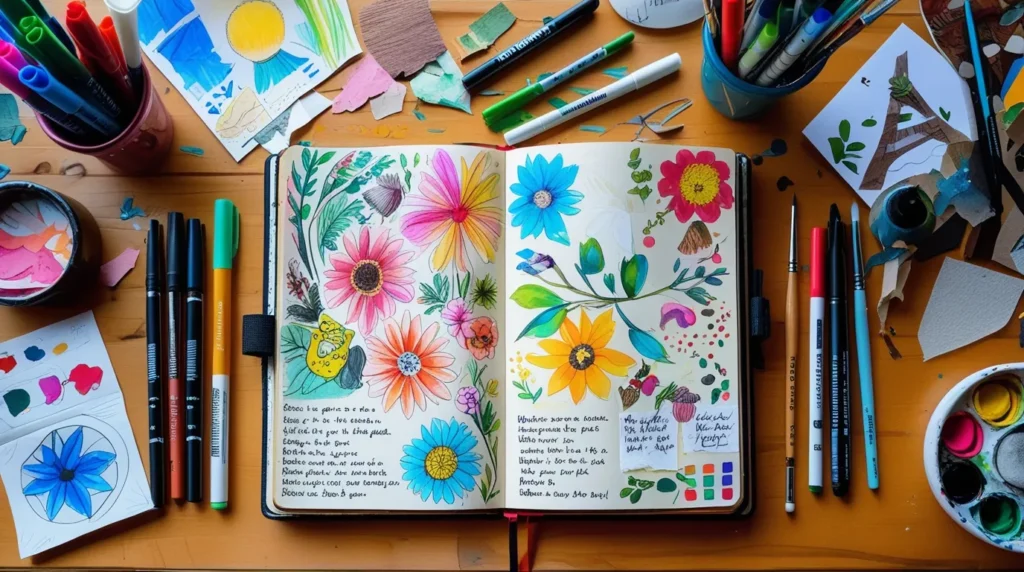
Creative journaling blends writing, art, and self-expression in a personal notebook. Pages can include:
- Handwritten reflections
- Sketches and doodles
- Collages and photographs
- Paint, markers, or watercolor
- Quotes or inspirational phrases
Every page becomes a visual representation of your thoughts and experiences.
Benefits of Creative Journaling
- Encourages emotional expression
- Reduces stress and mental clutter
- Improves creativity and imagination
- Strengthens self-awareness
- Creates a meaningful personal record
Many people also find art journaling deeply relaxing and meditative.
Step 1: Choose Your Journal and Supplies
You don’t need expensive materials to start.
Basic supplies include:
- A blank notebook or sketchbook
- Pens or markers
- Colored pencils or crayons
- Glue and scissors
- Old magazines or printed images
Optional additions:
- Washi tape
- Stickers
- Watercolors or acrylic paints
- Stamps or textured materials
Start simple and expand as your interest grows.
Step 2: Remove the Pressure to Be “Artistic”
Creative journaling is about expression, not perfection.
Remember:
- There are no mistakes—only experimentation
- Messy pages are part of the process
- Every style is unique
The goal is creativity and reflection, not creating museum-quality art.
Step 3: Start with Simple Prompts
If blank pages feel intimidating, use prompts such as:
- “Today I feel…”
- “Things I’m grateful for…”
- “A memory that makes me smile…”
- “My goals for the next month…”
- “Words that describe my current mood…”
Prompts make journaling easier and more focused.
Step 4: Combine Words and Visuals
Try mixing different elements on the same page:
- Write a paragraph and add doodles around it
- Create a collage and add handwritten notes
- Use color backgrounds and layer text on top
- Highlight important thoughts with decorative frames
This combination creates rich, expressive pages.
Step 5: Set a Small, Consistent Routine
Consistency builds the habit.
Ideas include:
- 5–10 minutes each morning
- Weekly reflection pages
- Mood journaling before bed
- Creative journaling during quiet weekends
Even occasional pages can build a meaningful practice.
Step 6: Experiment with Creative Techniques
As you grow comfortable, try:
- Layering paint and collage
- Using different textures and materials
- Creating themed pages
- Drawing mood maps
- Designing visual gratitude lists
Creative journaling evolves naturally with exploration.
Step 7: Use Journaling for Personal Growth
Your journal can become a tool for reflection.
Try journaling about:
- Personal achievements
- Challenges and lessons learned
- Future dreams and goals
- Gratitude and positive moments
Over time, these pages form a visual story of your journey.
Common Mistakes to Avoid
- Waiting for inspiration before starting
- Comparing your journal to others
- Overthinking page design
- Skipping journaling because it’s not perfect
Creative journaling thrives when it remains playful and relaxed.
Final Thoughts
Starting a creative journaling habit is less about artistic skill and more about curiosity and self-expression. With simple tools, a willingness to experiment, and a little consistency, your journal can become a safe space for reflection, imagination, and personal growth. Each page becomes a unique snapshot of your thoughts, emotions, and creativity.