

How to Cut Down on Groceries Without Compromising Quality
Groceries are one of the largest monthly household expenses. However, reducing your grocery bill does not mean buying low-quality food or sacrificing nutrition. With smart planning and intentional shopping habits, you can lower costs while still maintaining fresh, healthy, and satisfying meals.
Here’s how to cut down on groceries without compromising quality.
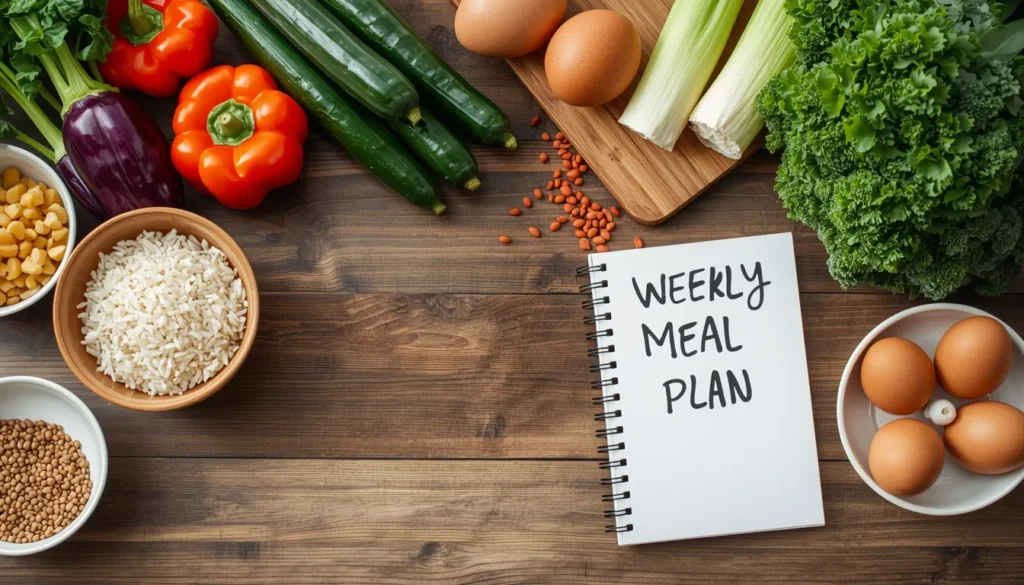
1. Plan Your Meals in Advance
Meal planning prevents impulse buying and unnecessary spending.
- Create a weekly meal plan
- Make a detailed shopping list
- Check your pantry before shopping
- Avoid shopping when hungry
Planning ensures you only buy what you truly need.
2. Buy Seasonal and Local Produce
Seasonal fruits and vegetables are usually:
- Fresher
- More nutritious
- More affordable
When produce is in season, supply increases and prices drop — allowing you to maintain quality at a lower cost.
3. Choose Whole Ingredients Over Processed Foods
Convenience foods often cost more.
Instead of:
- Pre-cut vegetables
- Packaged meals
- Ready-made sauces
Choose whole ingredients and prepare them yourself. You’ll save money while improving nutritional value.
4. Compare Unit Prices
Don’t focus only on the price tag. Check the price per gram, kilogram, or liter.
Sometimes bigger packs are cheaper — sometimes they are not. Smart comparison shopping makes a big difference over time.
5. Buy Staples in Bulk (When Practical)
Bulk buying works well for:
- Rice
- Lentils
- Oats
- Flour
- Dry beans
- Spices
Only buy in bulk if you use the item regularly and can store it properly.
6. Reduce Food Waste
Food waste equals money waste.
- Store produce correctly
- Freeze leftovers
- Repurpose extra food into new meals
- Follow the “first in, first out” rule
Even small waste reductions can lower monthly grocery costs significantly.
7. Switch to Store Brands
Store brands often provide similar quality at a lower price.
Try switching basic items like:
- Flour
- Sugar
- Pasta
- Milk
- Cooking oil
You’ll likely notice little to no quality difference.
8. Cook at Home More Often
Eating out frequently increases overall food expenses. Home cooking gives you control over ingredients, portions, and spending.
Replacing even two restaurant meals per week can lead to meaningful savings.
9. Choose Affordable Protein Sources
Protein is often the most expensive grocery category.
Budget-friendly options include:
- Eggs
- Lentils
- Chickpeas
- Yogurt
- Peanut butter
- Seasonal fish
Mix plant-based and animal proteins to balance nutrition and cost.
10. Track Your Grocery Spending
Awareness helps control expenses.
- Set a monthly grocery budget
- Keep receipts
- Review spending patterns
- Adjust weekly plans if needed
Small consistent adjustments create long-term savings.
Final Thoughts
Cutting grocery costs doesn’t require extreme sacrifices. It simply requires planning, awareness, and smarter buying habits. By focusing on whole foods, reducing waste, and shopping intentionally, you can maintain food quality while protecting your budget.
Consistency is the real key to sustainable savings.