

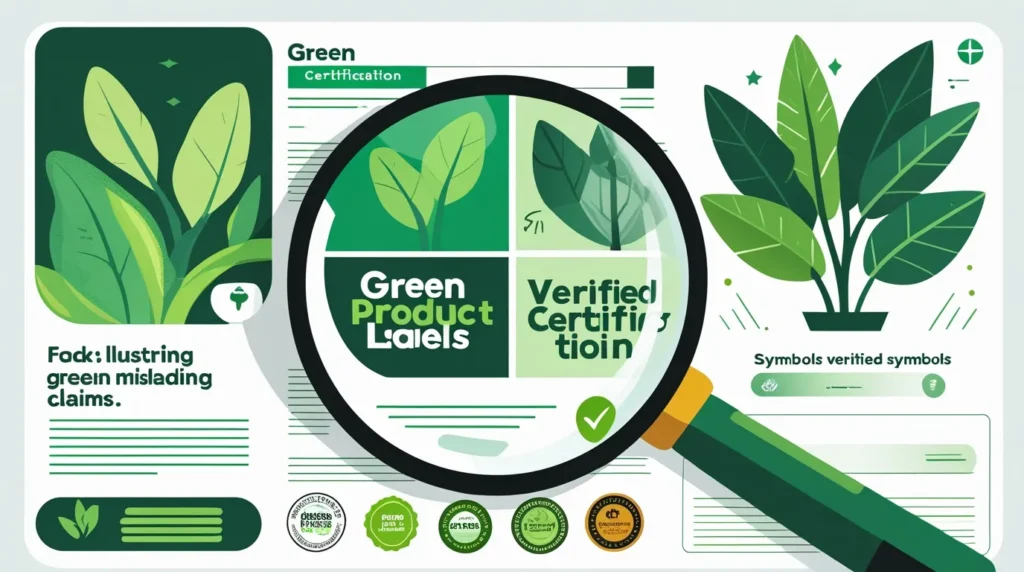
Greenwashing: How to Spot False Environmental Claims
As sustainability becomes a powerful marketing trend, many brands claim to be “eco-friendly,” “natural,” or “green.” While some genuinely commit to environmental responsibility, others engage in greenwashing—misleading consumers by exaggerating or fabricating environmental benefits. Learning how to identify false environmental claims helps consumers make informed choices and supports brands that truly care about the planet.
What Is Greenwashing?
Greenwashing occurs when companies use deceptive language, imagery, or claims to appear environmentally responsible without meaningful action. These tactics exploit consumer trust and divert attention from real environmental issues.
Common Greenwashing Tactics to Watch For
1. Vague or Undefined Claims
- Words like eco-friendly, green, clean, natural, or sustainable without explanation
- No data, certification, or transparency to support claims
2. Misleading Labels and Packaging
- Green-colored packaging or nature imagery to imply sustainability
- Fake “eco” symbols or certifications that are not verified
3. Irrelevant Environmental Claims
- Promoting features that are legally required anyway
- Highlighting one small green effort while ignoring major environmental harm
4. Hidden Trade-Offs
- Advertising recyclable packaging while the product itself is harmful
- Sustainable materials paired with unethical labor practices
5. False Comparisons
- Claims like “greener than before” without baseline data
- Comparing products within the same brand rather than industry standards
How to Spot Genuine Sustainability Claims
Look for Certifications
- Recognized labels such as Fair Trade, FSC, Energy Star, USDA Organic
- Certifications should be traceable and transparent
Read Beyond the Marketing
- Check ingredient lists, sourcing details, and manufacturing practices
- Look for measurable goals and progress reports
Research the Brand
- Review sustainability reports and third-party audits
- Look at the company’s overall environmental and social impact
Question the Claims
- Ask: What exactly makes this product sustainable?
- Is the claim backed by evidence or just marketing language?
Why Greenwashing Is Harmful
- Misleads consumers who want to make ethical choices
- Undermines trust in genuinely sustainable brands
- Slows progress toward environmental responsibility
- Allows harmful practices to continue unchecked
How Consumers Can Take Action
- Support brands that prioritize transparency and accountability
- Share knowledge about greenwashing tactics
- Demand clearer labeling and stricter regulations
- Reduce overconsumption and choose quality over quantity
Final Thoughts
Greenwashing thrives on confusion and good intentions. By learning to recognize false environmental claims, consumers can make empowered decisions that align with their values. True sustainability requires honesty, accountability, and measurable impact—not just green packaging or buzzwords. Awareness is the first step toward meaningful environmental change.