
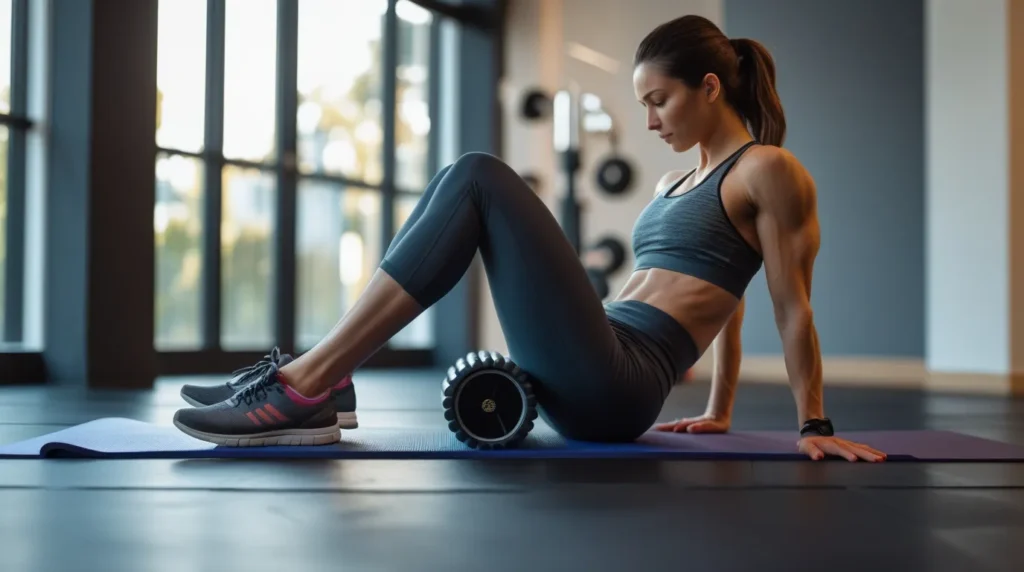
Foam Rolling and Mobility: Essential Recovery Techniques
Recovery is just as important as training when it comes to improving performance and preventing injuries. Techniques like foam rolling and mobility exercises help reduce muscle tightness, improve flexibility, and enhance overall movement quality. Whether you’re an athlete or someone with an active lifestyle, incorporating these recovery methods can make a significant difference in how your body feels and performs.
What Is Foam Rolling?
Foam rolling is a form of self-myofascial release, a technique that applies pressure to muscles to relieve tightness and improve blood flow. It targets knots (trigger points) and helps muscles recover after exercise.
Benefits of Foam Rolling
- Reduces muscle soreness after workouts
- Improves blood circulation
- Enhances flexibility and range of motion
- Helps prevent injuries
- Speeds up muscle recovery
Regular foam rolling can also improve overall movement efficiency.
What Is Mobility Training?
Mobility refers to the ability of a joint to move actively through its full range of motion. Unlike flexibility, mobility includes strength, control, and coordination.
Benefits of Mobility Exercises
- Improves posture and alignment
- Enhances athletic performance
- Reduces risk of injury
- Supports joint health
- Improves daily movement patterns
Mobility work helps your body move better—not just further.
How to Use a Foam Roller Effectively
1. Roll Slowly
- Move at a controlled pace
- Spend 20–30 seconds on each muscle group
2. Pause on Tight Spots
- Stop when you find a sore area
- Hold gentle pressure for 15–20 seconds
3. Breathe and Relax
- Avoid tensing up
- Deep breathing helps release muscle tension
4. Don’t Overdo It
- Limit sessions to 10–15 minutes
- Focus on major muscle groups
Key Areas to Foam Roll
- Calves
- Hamstrings
- Quadriceps
- Glutes
- Upper back
Avoid rolling directly on joints or the lower spine.
Essential Mobility Exercises
1. Hip Flexor Stretch
Improves hip mobility and reduces tightness from sitting.
2. World’s Greatest Stretch
A full-body movement that enhances flexibility and coordination.
3. Cat-Cow Stretch
Promotes spinal mobility and reduces back stiffness.
4. Shoulder Dislocations (Band Stretch)
Improves shoulder flexibility and posture.
5. Deep Squat Hold
Enhances hip, ankle, and lower-body mobility.
When to Do Foam Rolling and Mobility Work
Before Workouts
- Use light foam rolling
- Focus on dynamic mobility exercises
- Prepare muscles for movement
After Workouts
- Use deeper foam rolling
- Perform static stretches
- Promote recovery and relaxation
On Rest Days
- Combine both for active recovery
- Improve long-term flexibility and mobility
Sample 10-Minute Recovery Routine
- Foam roll quads – 1 minute
- Foam roll hamstrings – 1 minute
- Foam roll upper back – 1 minute
- Hip Flexor Stretch – 1 minute each side
- Cat-Cow Stretch – 1 minute
- Deep Squat Hold – 2 minutes
This quick routine supports recovery without taking much time.
Common Mistakes to Avoid
- Rolling too fast
- Applying excessive pressure
- Ignoring breathing
- Skipping consistency
- Neglecting mobility exercises
Balance is key—both techniques work best together.
Final Thoughts
Foam rolling and mobility training are essential tools for maintaining a healthy, functional body. They not only help reduce soreness and prevent injuries but also improve how your body moves and performs over time. By incorporating these simple yet effective techniques into your routine, you can enhance recovery, increase flexibility, and support long-term physical well-being.