

Exploring the Northern Lights: Best Viewing Spots and Timing
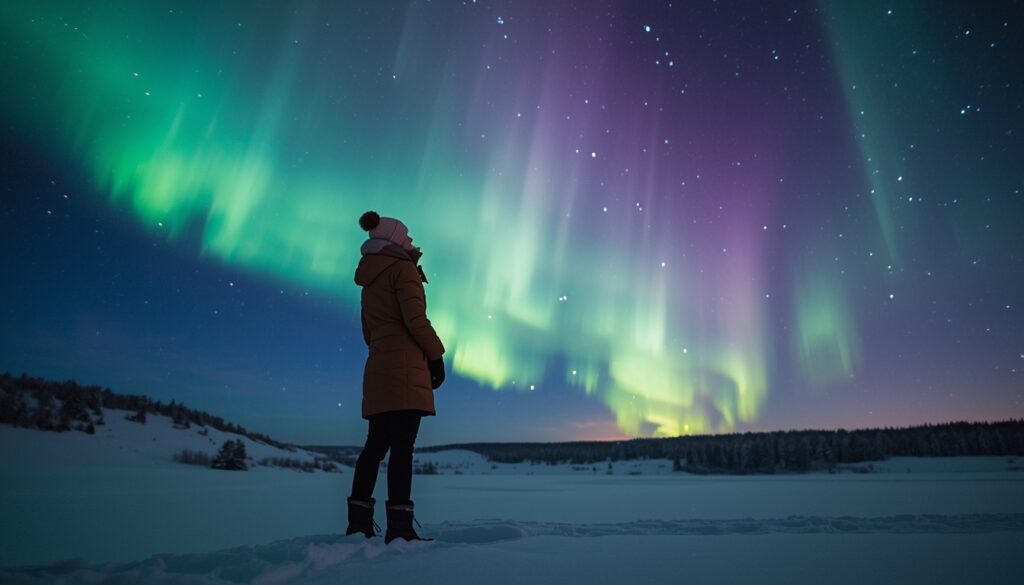
Witnessing the Northern Lights, or Aurora Borealis, is a bucket-list experience for travelers around the world. The ethereal display of colorful lights dancing across the night sky is both breathtaking and magical. But to make the most of this natural phenomenon, careful planning regarding location, timing, and conditions is essential.
Here’s a comprehensive guide for exploring the Northern Lights and maximizing your chances of an unforgettable viewing experience.
What Are the Northern Lights?
The Northern Lights are caused by charged particles from the sun interacting with the Earth’s magnetic field and atmosphere, resulting in shimmering displays of green, pink, red, and purple lights in the night sky.
- Best seen in high-latitude regions near the Arctic Circle
- Typically appear in winter months when nights are long and skies are dark
- Most active during periods of solar activity
Understanding the science behind the lights adds to the awe of the experience.
Best Countries and Viewing Spots
While the Northern Lights can be seen in several northern countries, some destinations are renowned for their spectacular displays:
1. Norway
- Tromsø: Often called the “Gateway to the Arctic,” it offers excellent aurora viewing and accessibility.
- Lofoten Islands: Remote landscapes enhance the magical experience.
2. Iceland
- Reykjavík and Surroundings: Easily accessible, with nearby rural areas for darker skies.
- Thingvellir National Park: Stunning landscapes paired with aurora sightings.
3. Finland
- Lapland: Offers cozy cabins, igloos, and wilderness tours for optimal viewing.
- Rovaniemi: Combine aurora spotting with Arctic experiences like reindeer sleigh rides.
4. Sweden
- Abisko National Park: Known for the “Blue Hole,” a microclimate that provides clear skies for aurora observation.
5. Canada
- Yellowknife, Northwest Territories: Frequently cited as one of the best spots in North America for Northern Lights.
- Whitehorse, Yukon: Offers wilderness experiences alongside aurora viewing.
Best Time to See the Northern Lights
- Months: September to March, with peak activity typically December through February
- Hours: Usually between 10 PM and 2 AM, though sightings can occur earlier or later depending on solar activity
- Moon Phase: Dark, moonless nights improve visibility
- Weather: Clear skies are essential — avoid cloudy or stormy nights
Patience is key: sometimes the lights appear suddenly, sometimes they’re subtle.
Tips for Maximizing Your Northern Lights Experience
- Check the Aurora Forecast: Websites and apps provide real-time solar activity and aurora predictions.
- Stay Outside Cities: Light pollution reduces visibility — rural locations or remote lodges are ideal.
- Dress Warmly: Temperatures can drop dramatically at night, so layer up with thermal wear, insulated jackets, gloves, and hats.
- Bring the Right Gear:
- Camera with manual settings and tripod for long exposure shots
- Thermos with warm drinks
- Blanket or reclining chair for comfort
- Plan Activities Around the Lights: Northern Lights are unpredictable, so combine aurora hunting with daytime adventures like snowshoeing, dog sledding, or cultural tours.
- Book a Guided Tour: Local guides know the best spots, have updated aurora forecasts, and can enhance your overall experience.
Photography Tips
- Use a DSLR or mirrorless camera with manual focus
- Set a low ISO (800–1600) to reduce noise
- Open the shutter for 5–30 seconds depending on brightness
- Use a wide-angle lens to capture more of the sky
- Avoid using flash — it won’t help and will affect natural lighting
Capturing the lights takes patience, but the results are worth it.
Final Thoughts
Seeing the Northern Lights is more than a visual experience — it’s an emotional and unforgettable moment. By choosing the right location, timing, and preparation, you can increase your chances of witnessing this spectacular natural phenomenon.
Remember, flexibility and patience are key. Even if conditions aren’t perfect, the Arctic landscapes, winter activities, and local culture make the trip rewarding. The Northern Lights remind us of the beauty and unpredictability of nature — a spectacle that truly leaves a lasting impression.