

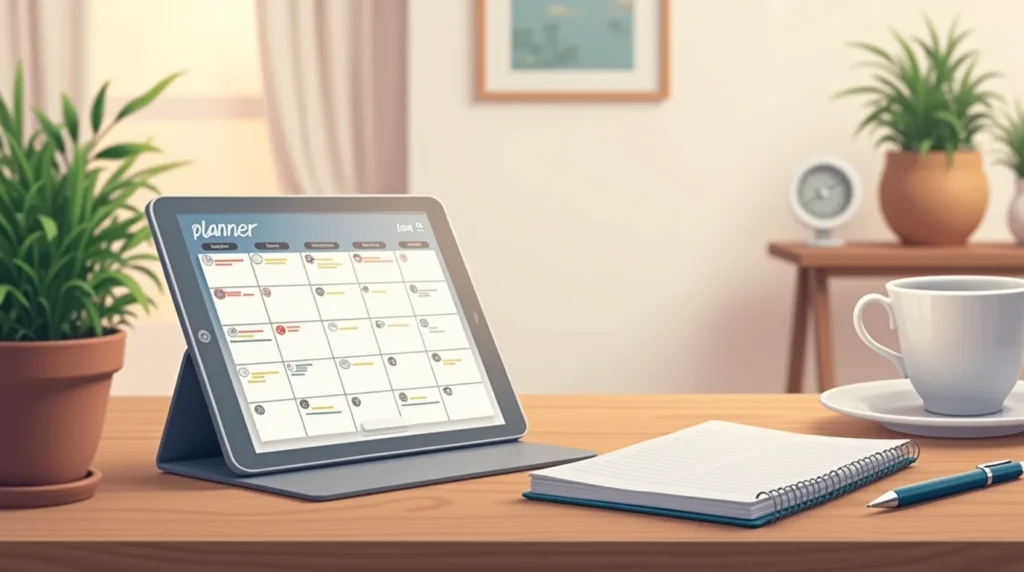
Exploring the Benefits of a Digital vs. Physical Planner
Planning is a powerful tool for productivity, organization, and mental clarity—but choosing the right type of planner can make all the difference. Digital and physical planners each offer unique advantages depending on your lifestyle, work habits, and personal preferences. Understanding their benefits helps you select a planning system that supports consistency, focus, and long-term success.
Digital Planners: Benefits and Advantages
1. Convenience and Accessibility
- Accessible across multiple devices
- Easy to carry anywhere
- No risk of forgetting your planner
2. Customization and Flexibility
- Editable layouts and templates
- Easy rescheduling without clutter
- Color-coding and tagging
3. Automation and Smart Features
- Reminders and notifications
- Recurring tasks and events
- Integration with calendars and apps
4. Search and Storage
- Instantly search past entries
- Unlimited digital storage
- Easy backups and cloud sync
5. Eco-Friendly Option
- Reduces paper use
- Supports sustainable planning habits
Best For:
- Busy professionals
- Digital nomads
- Tech-savvy planners
- People managing complex schedules
Physical Planners: Benefits and Advantages
1. Improved Focus and Mindfulness
- Fewer digital distractions
- Encourages intentional planning
- Helps slow down thought processes
2. Better Memory and Retention
- Writing by hand strengthens recall
- Enhances clarity and commitment
3. Creative Expression
- Stickers, doodles, and handwriting
- Personal aesthetic and motivation
- Visual satisfaction
4. Screen-Free Planning
- Reduces screen fatigue
- Ideal for digital detox routines
5. Emotional and Mental Benefits
- Journaling space for reflection
- Tangible sense of progress
Best For:
- Visual learners
- Creative thinkers
- Mindfulness-focused individuals
- Those who enjoy handwriting
Key Differences at a Glance
- Portability: Digital planners travel everywhere digitally; physical planners need to be carried
- Flexibility: Digital planners allow easy edits; physical planners encourage commitment
- Distractions: Digital planners may compete with notifications; physical planners are distraction-free
- Creativity: Physical planners excel creatively; digital planners offer functional customization
- Longevity: Digital planners archive easily; physical planners become keepsakes
Choosing the Right Planner for You
Ask yourself:
- Do I prefer typing or writing?
- Do I need reminders and alerts?
- Do I get distracted by screens?
- Do I enjoy decorating and journaling?
Your answers will guide your choice.
Hybrid Planning: The Best of Both Worlds
Many people combine both approaches:
- Digital planner for scheduling and reminders
- Physical planner for daily planning and reflection
- Weekly digital planning with handwritten daily tasks
Common Mistakes to Avoid
- Overcomplicating layouts
- Switching planners too often
- Planning without reviewing
- Using a system that doesn’t match your lifestyle
Final Thoughts
There’s no universal “best” planner—only what works best for you. Digital planners offer speed, automation, and flexibility, while physical planners provide focus, creativity, and mindfulness. The most effective planner is one you enjoy using consistently. Whether digital, physical, or hybrid, the right system can transform how you plan, focus, and achieve your goals.