


Discovering Ancient History: Best Archaeological Sites in the World
Ancient archaeological sites are more than remnants of the past—they are windows into the civilizations that shaped human history. From towering stone monuments to buried cities, these sites reveal how early societies lived, ruled, worshipped, and innovated. Exploring them allows us to connect with humanity’s shared heritage and appreciate the brilliance of ancient cultures.
Here are some of the best archaeological sites in the world that continue to fascinate historians, travelers, and explorers alike.
1. Machu Picchu, Peru
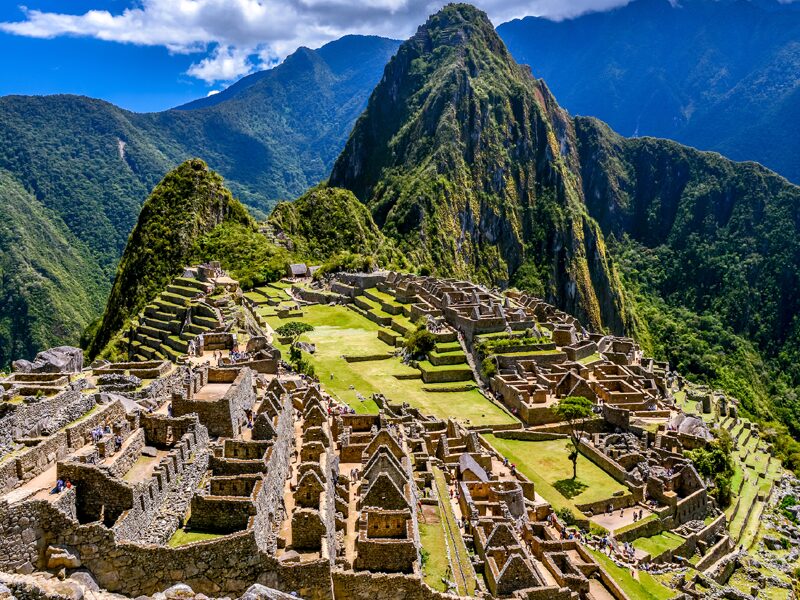
Nestled high in the Andes Mountains, Machu Picchu is one of the most iconic archaeological sites on Earth. Built by the Inca civilization in the 15th century, this ancient city showcases remarkable stone architecture, advanced engineering, and deep spiritual significance.
Why it matters:
Machu Picchu reflects the Inca’s mastery of construction, astronomy, and harmony with nature.
2. Petra, Jordan
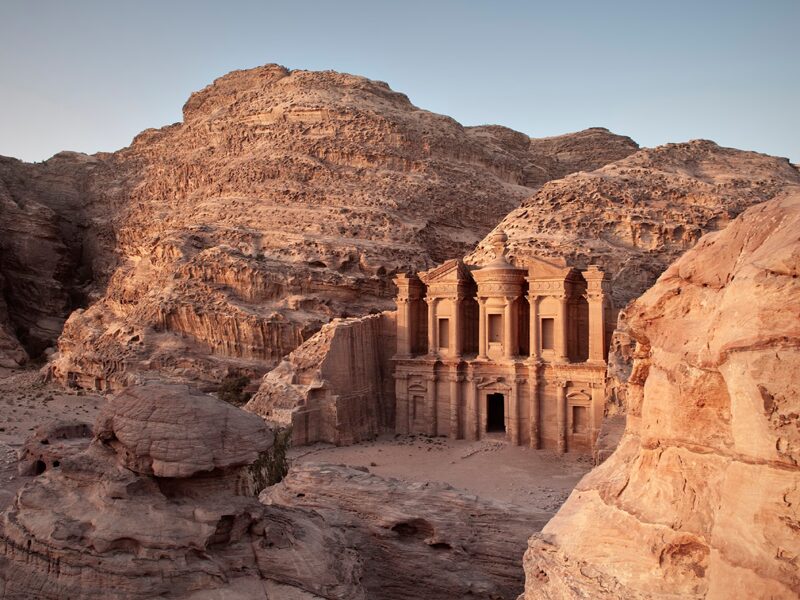
Carved directly into rose-colored rock cliffs, Petra was once a thriving trading hub of the Nabataean civilization. Its dramatic temples, tombs, and pathways make it one of the most visually stunning ancient cities.
Why it matters:
Petra demonstrates early urban planning, water management, and cross-cultural influence.
3. The Pyramids of Giza, Egypt
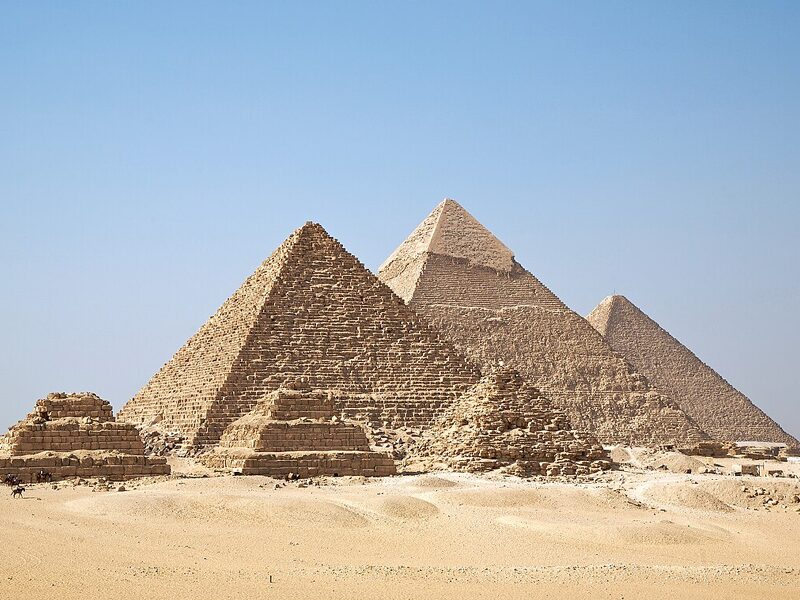
The Great Pyramids are among the oldest and most mysterious structures in the world. Built over 4,500 years ago, they remain a testament to ancient Egyptian engineering and beliefs about the afterlife.
Why it matters:
They symbolize human ambition, innovation, and spiritual devotion.
4. Pompeii, Italy
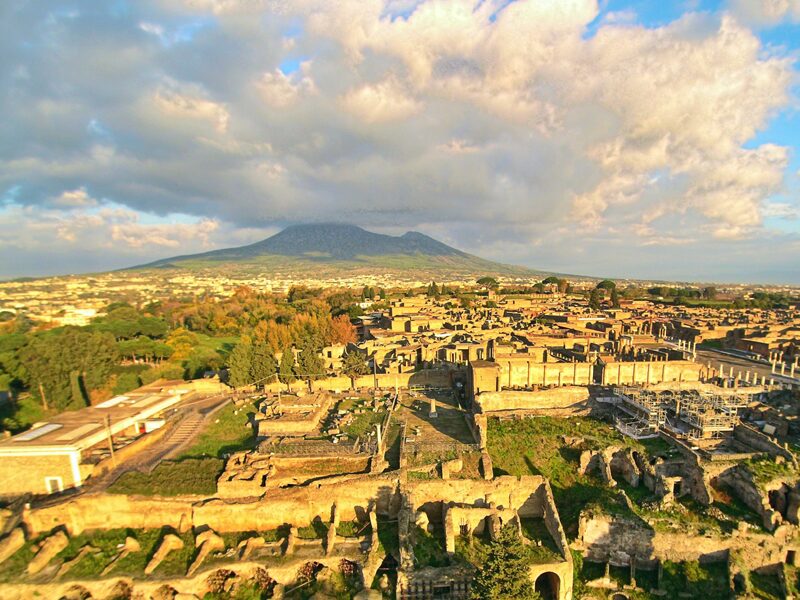
Preserved under volcanic ash after Mount Vesuvius erupted in 79 AD, Pompeii offers an unmatched glimpse into daily life during the Roman Empire. Streets, homes, frescoes, and even human casts remain intact.
Why it matters:
Pompeii provides detailed insight into ancient Roman society, culture, and architecture.
5. Angkor Wat, Cambodia
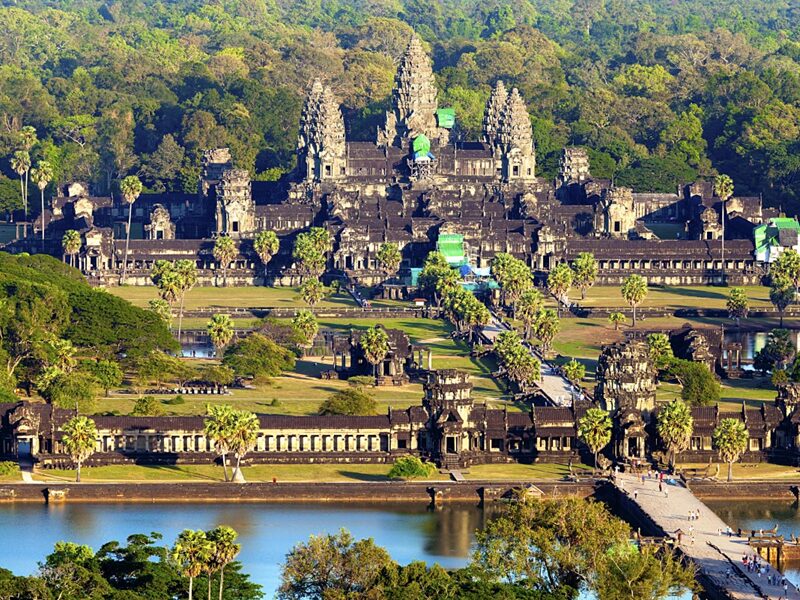
Angkor Wat is the largest religious monument in the world and a masterpiece of Khmer architecture. Originally built as a Hindu temple and later transformed into a Buddhist complex, it reflects centuries of spiritual evolution.
Why it matters:
It represents cultural continuity, artistic excellence, and religious harmony.
6. Chichén Itzá, Mexico
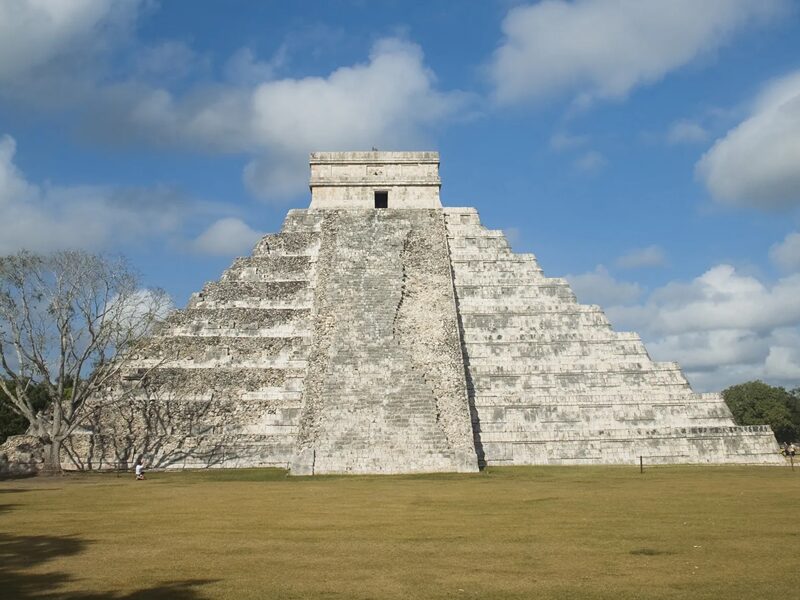
This ancient Mayan city is known for its iconic pyramid, El Castillo, which aligns with astronomical events. The site highlights the Mayans’ advanced knowledge of mathematics and astronomy.
Why it matters:
Chichén Itzá showcases scientific sophistication in ancient Mesoamerican civilizations.
7. Stonehenge, England
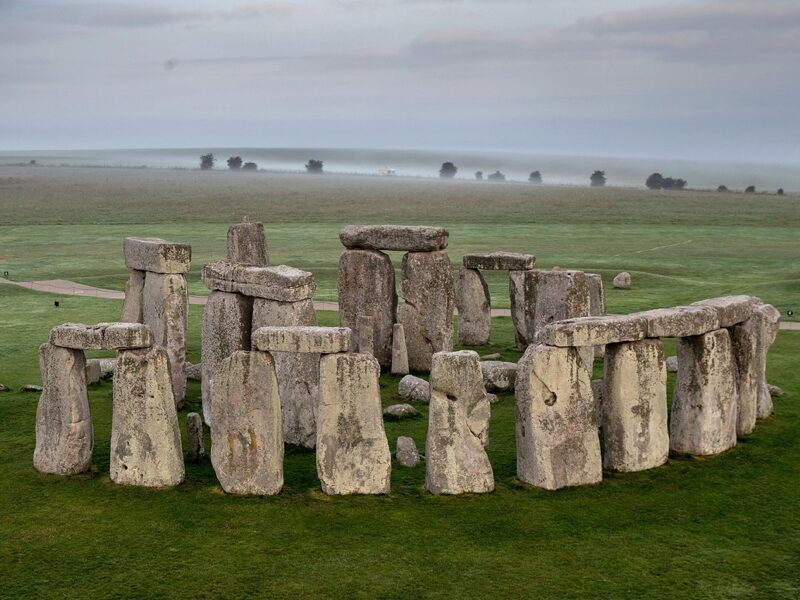
Stonehenge remains one of history’s greatest mysteries. Built over several phases, its massive stones are aligned with solar events, suggesting ritualistic or astronomical significance.
Why it matters:
It reflects early human curiosity about the universe and communal engineering efforts.
Why Archaeological Sites Matter Today
- Preserve cultural identity and heritage
- Educate future generations
- Offer insight into ancient innovation
- Inspire respect for human history
Protecting these sites ensures that stories of the
Final Thoughts
Discovering ancient archaeological sites allows us to step back in time and witness the brilliance of early civilizations. These places remind us that human creativity, resilience, and curiosity have existed for thousands of years. By exploring and preserving these historic wonders, we honor our ancestors and gain a deeper understanding of where we come from—and where we’re going.