

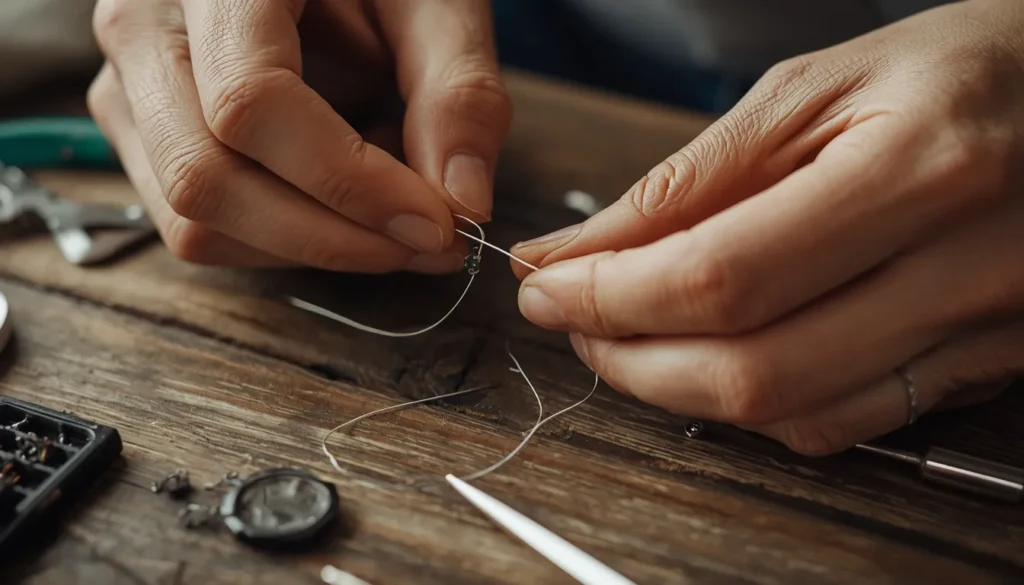
Basic Wire Wrapping Techniques for Jewelry Making
Wire wrapping is one of the most versatile and beginner-friendly jewelry-making techniques. With just a few tools and some creativity, you can design beautiful rings, pendants, earrings, and bracelets without soldering or complicated equipment.
Whether you’re starting a new hobby or planning to sell handmade jewelry, mastering basic wire wrapping techniques is the perfect foundation.
What Is Wire Wrapping?
Wire wrapping is the art of shaping, twisting, and securing wire around stones, beads, or other elements to create decorative jewelry pieces. Instead of glue or solder, the wire itself holds the design together.
It combines creativity with precision and allows for endless design possibilities.
Essential Tools for Beginners
You don’t need many tools to get started:
- Round nose pliers (for loops and curves)
- Chain nose pliers (for gripping and bending)
- Wire cutters
- Nylon jaw pliers (optional, for straightening wire)
- Ruler or measuring tape
Choosing quality tools makes the process easier and safer.
Types of Wire Used
Different wires offer different looks and flexibility:
- Copper wire (affordable and beginner-friendly)
- Silver-plated wire (elegant finish)
- Sterling silver wire (premium option)
- Gold-filled wire (durable and stylish)
Wire thickness is measured in gauge. Lower gauge numbers mean thicker wire. Beginners often start with 20–22 gauge for general wrapping.
Basic Wire Wrapping Techniques
1. Making a Simple Loop
A loop is the foundation of many jewelry pieces.
Steps:
- Cut a small piece of wire.
- Grip the wire with round nose pliers near the tip.
- Rotate the pliers to form a circular loop.
- Adjust the loop until it’s centered.
Loops are used for connecting beads and making earrings.
2. Creating a Wrapped Loop
A wrapped loop adds extra security.
Steps:
- Make a small loop at the end of the wire.
- Wrap the remaining wire tightly around the base 2–3 times.
- Trim excess wire and tuck in the end.
This technique is strong and ideal for necklaces or bracelets.
3. Wire Coiling
Coiling adds decorative texture.
Steps:
- Wrap thin wire tightly around thicker base wire.
- Keep coils even and close together.
- Secure the ends neatly.
Coiling can be used to decorate rings or frame pendants.
4. Basic Bead Wrapping
To wrap a bead:
- Insert the bead onto the wire.
- Create a loop above the bead.
- Wrap the remaining wire around the neck of the bead.
- Trim and secure the end.
This technique is commonly used for charms and earrings.
5. Stone Cage Wrapping (Beginner Level)
You can create a simple stone holder by:
- Crossing wires at the back of the stone
- Bringing wires to the front
- Twisting or wrapping them securely
This creates a natural, handmade look without drilling the stone.
Tips for Clean Finishes
- Always trim sharp ends carefully
- Tuck wire ends inward to prevent scratches
- Practice keeping wraps tight and even
- Straighten wire before starting
- Work slowly to avoid kinks
Neat finishing makes jewelry look professional.
Common Beginner Mistakes
- Using wire that’s too thin for structure
- Over-bending the same spot (causes breakage)
- Not securing ends properly
- Applying too much pressure with pliers
Practice improves control and confidence.
Why Wire Wrapping Is Great for Beginners
- No soldering required
- Low startup cost
- Easy to practice at home
- Endless creative designs
- Great for handmade gifts or small business
It allows artistic freedom while building technical skill.
Final Thoughts
Wire wrapping is a beautiful blend of creativity and craftsmanship. By mastering basic techniques like loops, coils, and bead wrapping, you can begin creating elegant handmade jewelry with simple tools.
Start small, practice consistently, and gradually experiment with more complex designs. With patience and attention to detail, your skills will grow naturally.