

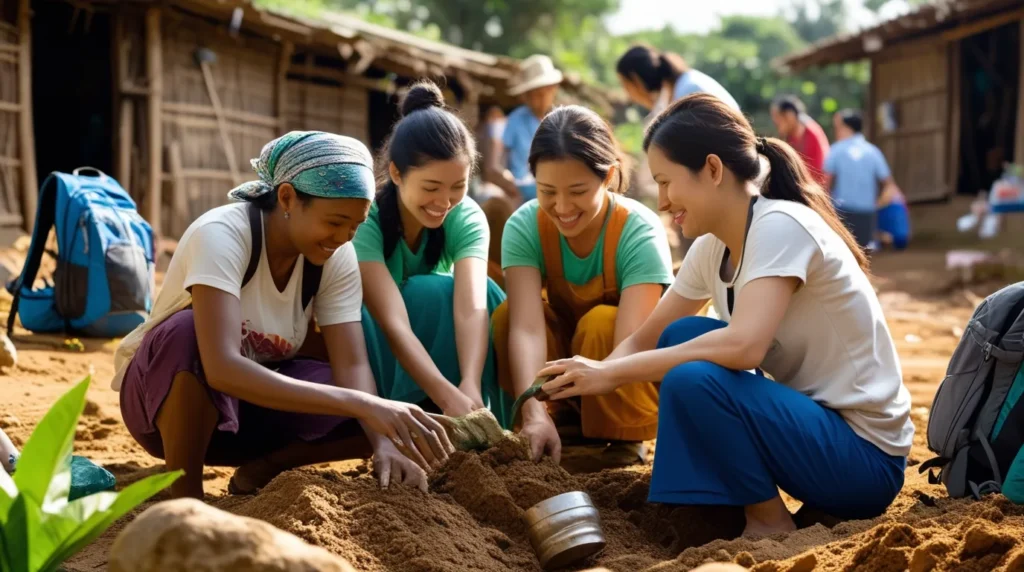
A Guide to Volunteer Travel: Giving Back While Exploring
Travel doesn’t always have to be about sightseeing—it can also be about making a meaningful impact. Volunteer travel, often called “voluntourism,” combines exploration with purpose, allowing you to contribute to communities while experiencing new cultures. Whether you’re teaching, working on environmental projects, or supporting local initiatives, volunteer travel offers a deeper, more rewarding way to see the world.
Unlike traditional tourism, this approach emphasizes connection, responsibility, and mutual benefit. It’s not just about where you go—it’s about how you engage, what you contribute, and the positive impact you leave behind.
What Is Volunteer Travel?
Volunteer travel involves participating in organized programs where travelers contribute their time and skills to community or environmental projects.
Common areas include:
- Education and teaching
- Wildlife conservation
- Community development
- Healthcare support
- Environmental sustainability
It blends meaningful work with cultural immersion.
Benefits of Volunteer Travel
1. Make a Positive Impact
- Support local communities and causes
- Contribute to long-term development projects
- Use your skills for meaningful change
2. Experience Authentic Culture
- Live and work alongside locals
- Learn traditions, languages, and lifestyles
- Gain deeper cultural understanding
3. Personal Growth
- Build empathy and global awareness
- Develop new skills
- Gain confidence and adaptability
4. Build Global Connections
- Meet like-minded travelers
- Form lasting friendships
- Expand your global network
How to Choose the Right Volunteer Program
1. Research the Organization
Look for transparency and ethical practices. Trusted organizations include:
- WWOOF
- Habitat for Humanity
- Projects Abroad
2. Match Your Skills and Interests
- Teaching, healthcare, construction, conservation
- Choose something aligned with your abilities
- Avoid roles that require professional qualifications you don’t have
3. Understand Costs and Inclusions
- Some programs charge fees for accommodation and support
- Check what is included (food, housing, training)
- Avoid programs that lack transparency
4. Evaluate Impact and Ethics
- Ensure the program benefits the local community
- Avoid short-term projects that may cause disruption
- Look for sustainable, long-term initiatives
Popular Types of Volunteer Travel
Environmental Conservation
- Wildlife protection
- Beach clean-ups
- Reforestation projects
Education and Teaching
- Teaching English
- Supporting local schools
- Mentoring youth
Community Development
- Building homes
- Supporting local businesses
- Infrastructure projects
Healthcare and Support Services
- Assisting clinics
- Public health awareness
- Community outreach
Tips for a Successful Volunteer Travel Experience
1. Be Respectful and Open-Minded
- Respect cultural differences
- Adapt to local customs and practices
2. Focus on Learning, Not “Saving”
- Approach with humility
- Understand local perspectives
3. Prepare in Advance
- Learn about the destination
- Get necessary vaccinations or documents
- Pack appropriately
4. Stay Committed
- Be reliable and consistent
- Treat the experience professionally
Challenges to Be Aware Of
- Cultural adjustment and language barriers
- Physical and emotional demands
- Limited comfort compared to traditional travel
- Ethical concerns in poorly managed programs
Being aware helps you prepare and adapt.
Common Mistakes to Avoid
- Choosing programs based only on cost
- Ignoring ethical considerations
- Expecting a “vacation-like” experience
- Overestimating your impact
Volunteer travel is about contribution, not convenience.
Final Thoughts
Volunteer travel offers a unique opportunity to explore the world with purpose and intention. It transforms travel into something more meaningful—an experience where you not only discover new places but also contribute to them. While it requires responsibility, awareness, and commitment, the rewards go far beyond sightseeing.
By choosing ethical programs, respecting local communities, and approaching the experience with humility, you can create a journey that benefits both you and the people you serve. In the end, volunteer travel is not just about where you go—it’s about the positive difference you make along the way.