

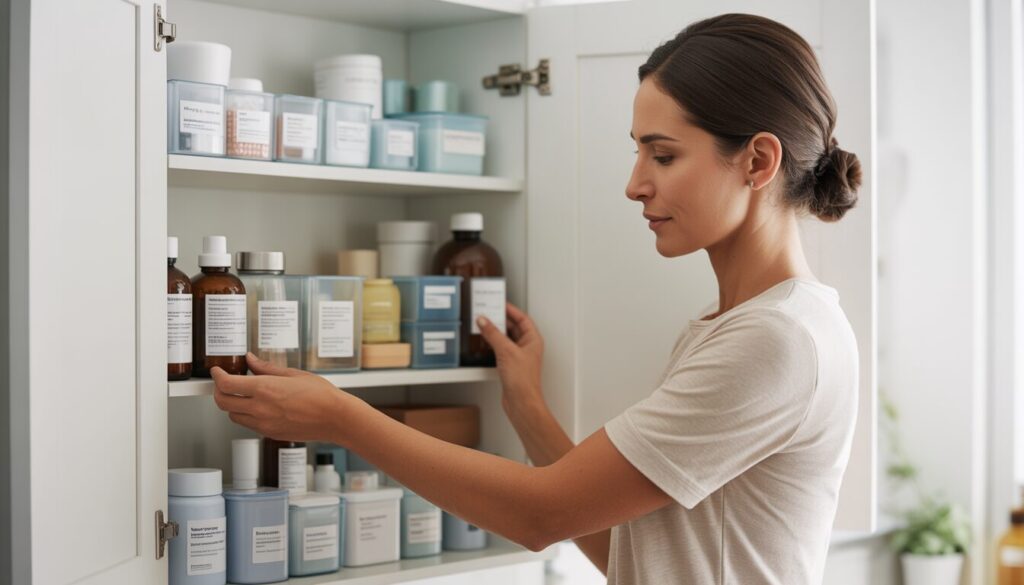
Organizing Your Medicine Cabinet and First-Aid Supplies
A well-organized medicine cabinet is more than just neat storage—it’s an essential part of keeping your home safe and stress-free. When medicines and first-aid supplies are easy to find, you can respond quickly to minor injuries, sudden illness, or emergencies without panic or confusion.
With a thoughtful system in place, organizing your medicine cabinet becomes a simple habit that supports everyday health and peace of mind.
Why an Organized Medicine Cabinet Matters
Disorganized medicine cabinets can lead to expired medications, accidental misuse, or wasted time during urgent situations. Clear organization helps ensure:
- Correct medicines are taken at the right time
- Expired or unused products are removed
- Children and pets stay safe
- Stress is reduced during emergencies
A tidy cabinet also helps you track what needs restocking.
Step 1: Empty Everything and Take Inventory
Start by removing all items from your cabinet or drawer. Sort them into categories such as:
- Daily medications
- Pain relief and cold remedies
- First-aid supplies
- Vitamins and supplements
- Topical creams and ointments
Check expiration dates and discard anything expired or damaged.
Step 2: Safely Dispose of Old Medications
Never flush medicines unless instructed. Instead:
- Use pharmacy take-back programs
- Follow local disposal guidelines
- Remove personal labels before discarding packaging
Proper disposal protects both health and the environment.
Step 3: Categorize and Label Clearly
Grouping similar items together makes access easier. Use small bins, trays, or containers with labels like:
- “Pain & Fever”
- “Cold & Allergy”
- “First-Aid Essentials”
- “Vitamins & Wellness”
Clear labeling prevents confusion, especially during emergencies.
Step 4: Prioritize Accessibility and Safety
Store frequently used items at eye level. Less-used or stronger medications should be placed higher or in child-proof containers. Keep:
- First-aid kits easily reachable
- Emergency items clearly visible
- Hazardous items securely stored
Safety should always guide placement decisions.
Step 5: Create a Well-Stocked First-Aid Kit
Every home should have a basic first-aid kit containing:
- Adhesive bandages in multiple sizes
- Sterile gauze and medical tape
- Antiseptic wipes or solution
- Pain relievers
- Thermometer
- Tweezers and scissors
Keep it in a designated spot and check supplies regularly.
Step 6: Maintain a Regular Check Routine
Set a reminder every 3–6 months to:
- Check expiration dates
- Refill used supplies
- Update labels
- Clean the cabinet
Regular maintenance keeps your system effective and reliable.
Step 7: Store Medications Correctly
Most medicines should be kept in a cool, dry place. Avoid storing them in bathrooms if moisture is high. Always follow storage instructions on labels to maintain effectiveness.
Final Thoughts
Organizing your medicine cabinet and first-aid supplies is a small effort that makes a big difference. It improves safety, saves time, and ensures you’re always prepared when health needs arise. With a simple system and regular check-ins, your medicine cabinet can support a healthier, calmer home for you and your family.