
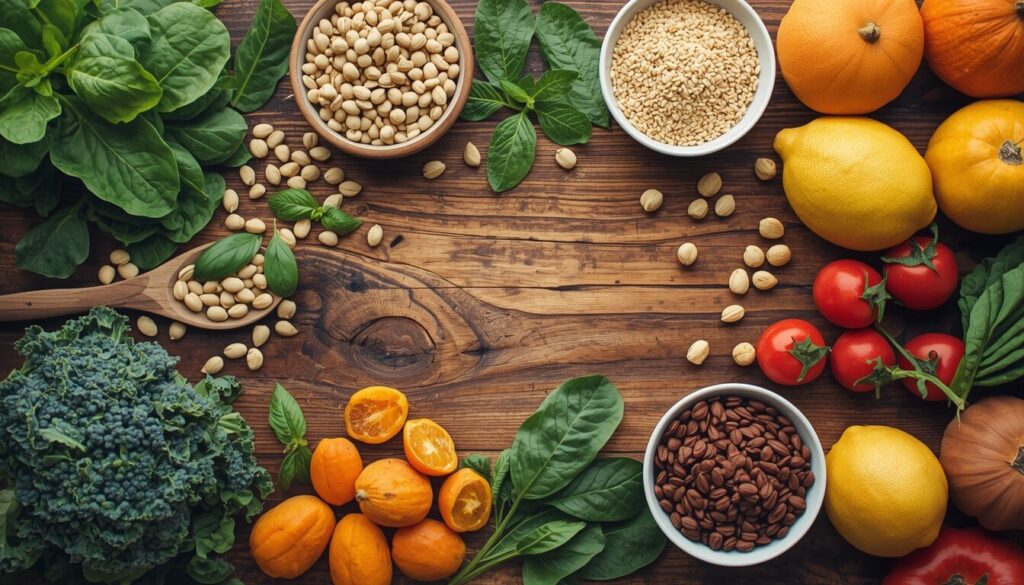
Simple Ways to Boost Your Iron Levels Without Meat
Iron is a vital mineral that plays a critical role in your body. It helps produce hemoglobin, which carries oxygen through your blood, supports energy levels, boosts immunity, and contributes to overall health. While many people associate iron primarily with meat, there are plenty of plant-based ways to maintain healthy iron levels. Whether you’re vegetarian, vegan, or just looking to reduce meat in your diet, you can get the iron you need from nature’s pantry.
Why Iron Matters
Iron deficiency is one of the most common nutrient deficiencies worldwide, especially among women, teens, and those on plant-based diets. Here’s why it matters:
- Oxygen Transport: Iron is essential for hemoglobin formation, helping your blood carry oxygen efficiently.
- Energy & Vitality: Low iron levels can cause fatigue, weakness, and low concentration.
- Cognitive Function: Adequate iron is important for memory, learning, and mental clarity.
- Immune Support: Iron strengthens your immune system, helping your body fight infections.
Iron deficiency can lead to anemia, which affects daily energy, mood, and overall well-being. The good news is that with the right foods and strategies, you can boost iron naturally—even without meat.
Top Plant-Based Sources of Iron
Plant-based iron, also known as non-heme iron, is abundant in a variety of foods. Here’s a breakdown:
1. Leafy Greens
Spinach, kale, Swiss chard, and collard greens are rich in iron. Pairing them with vitamin C foods like bell peppers or citrus fruit improves absorption.
2. Legumes
Lentils, chickpeas, black beans, kidney beans, and soybeans are excellent iron sources. They also provide protein and fiber, making them a powerhouse for plant-based diets.
3. Nuts and Seeds
Pumpkin seeds, sesame seeds, cashews, almonds, and sunflower seeds are convenient snacks packed with iron. Sprinkle them on salads, oatmeal, or smoothies.
4. Whole Grains
Quinoa, oats, amaranth, buckwheat, and fortified cereals contain iron and other essential nutrients. Whole grains also support healthy digestion and sustained energy.
5. Dried Fruits
Apricots, raisins, prunes, and figs are naturally high in iron and make sweet, nutrient-rich snacks or additions to meals.
6. Vegetables with Strong Colors
Beets, broccoli, and peas are good sources of iron and add vibrant colors to your meals.
How to Boost Iron Absorption
Iron from plant sources is not absorbed as efficiently as iron from meat, but there are several ways to improve absorption:
- Pair Iron with Vitamin C: Foods like oranges, strawberries, tomatoes, and bell peppers enhance iron uptake.
- Limit Calcium During Meals: Dairy products can inhibit iron absorption, so try to consume them separately.
- Avoid Excess Coffee & Tea Around Meals: Tannins in these beverages can block iron absorption.
- Cook in Cast Iron Cookware: Using iron pots can naturally increase the iron content of your food.
- Soak or Sprout Legumes and Grains: This reduces compounds that inhibit iron absorption, making nutrients more bioavailable.
Sample Iron-Rich Meal Ideas
Here’s how to integrate iron-rich foods into your day:
- Breakfast: Oatmeal with pumpkin seeds, chia seeds, dried apricots, and a splash of orange juice
- Lunch: Spinach and lentil salad with red bell peppers, tomatoes, and a lemon-tahini dressing
- Snack: Roasted chickpeas, almonds, or trail mix with dried fruits and seeds
- Dinner: Quinoa stir-fry with broccoli, peas, beet greens, and a dash of sesame seeds
Tip: Rotate different iron-rich foods each day to maximize variety and nutrient intake.
Lifestyle Tips for Maintaining Healthy Iron Levels
Balance Overall Nutrition: Ensure you’re getting enough protein, B12, and folate, which also support red blood cell health.
Monitor Blood Levels: Regular blood tests can help detect iron deficiency early.
Consistency Is Key: Include iron-rich foods in every meal, rather than sporadically.
Combine Foods Wisely: Pair iron sources with vitamin C for maximum absorption.
Final Thoughts
Boosting your iron levels without meat is entirely achievable with thoughtful planning, smart food combinations, and a little creativity. Leafy greens, legumes, nuts, seeds, whole grains, and colorful vegetables can all contribute to your daily iron intake. By pairing iron-rich foods with vitamin C, avoiding inhibitors during meals, and maintaining a consistent diet, you can maintain energy, vitality, and overall health naturally. With these simple strategies, a plant-based diet can fully support your body’s iron needs.