

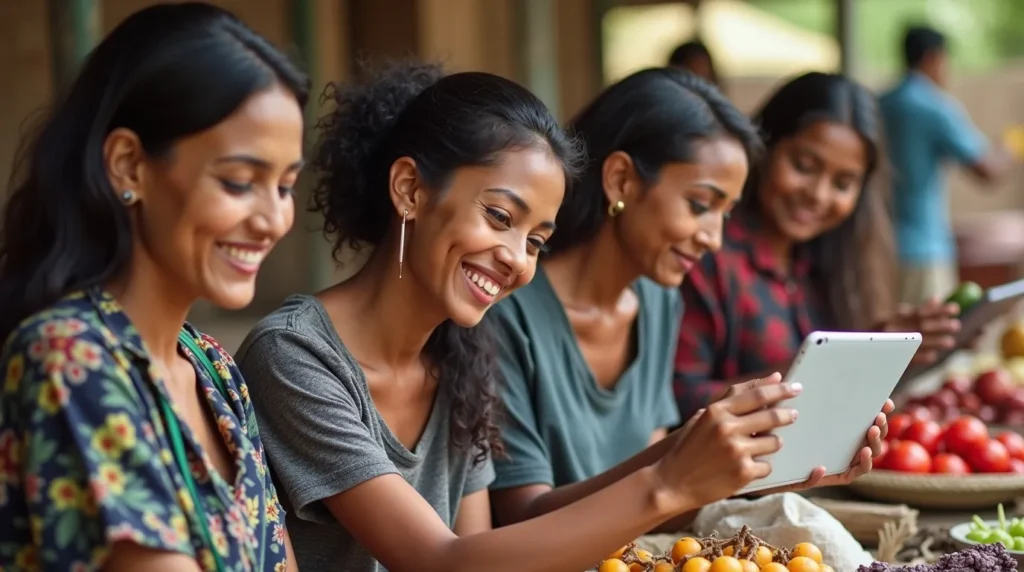
Women’s Economic Empowerment in Developing Countries
Women’s economic empowerment is a cornerstone of sustainable development. In developing countries, empowering women financially not only improves household income and social well-being but also drives economic growth and gender equality.
Despite challenges such as limited access to education, credit, and markets, initiatives across the globe are enabling women to start businesses, gain financial independence, and influence policy. By focusing on skills development, entrepreneurship, and supportive policies, developing nations can create inclusive economic opportunities for women.
1. Access to Education and Skills Training
Education is the foundation of empowerment:
- Providing girls and women with vocational training and financial literacy programs.
- Encouraging STEM education and leadership skills.
- Supporting lifelong learning to adapt to evolving job markets.
Why it matters: Skills and knowledge allow women to participate fully in the economy.
2. Microfinance and Access to Credit
Financial inclusion is critical:
- Microloans help women start small businesses.
- Mobile banking and digital financial services overcome traditional barriers.
- Credit access fosters entrepreneurship and independence.
Why it matters: Financial tools enable women to invest, grow businesses, and lift their communities out of poverty.
3. Entrepreneurship and Small Business Support
Women-led businesses are engines of growth:
- Mentorship programs help women navigate business challenges.
- Access to markets, supply chains, and networks strengthens businesses.
- Promoting women-owned cooperatives and startups encourages local economic activity.
Why it matters: Entrepreneurship boosts income, job creation, and community development.
4. Policy and Legal Support
Government policies play a vital role:
- Ensuring equal property and inheritance rights.
- Enforcing anti-discrimination laws and workplace protections.
- Providing incentives for women’s entrepreneurship and corporate inclusion.
Why it matters: Legal frameworks empower women to claim rights and participate safely in economic life.
5. Technology as an Equalizer
Digital tools can overcome traditional barriers:
- E-commerce platforms connect women to global markets.
- Online learning expands skill-building opportunities.
- Mobile payment systems increase financial independence and security.
Why it matters: Technology bridges gaps in education, finance, and market access.
6. Community Support and Networks
Social networks and mentorship enhance empowerment:
- Women’s cooperatives provide peer support and shared resources.
- Role models inspire confidence and ambition.
- Community awareness campaigns challenge traditional gender norms.
Why it matters: Supportive networks amplify individual and collective impact.
Final Thoughts
Women’s economic empowerment in developing countries is transformative, not just for women but for entire communities. 🌍
By addressing education, financial inclusion, entrepreneurship, policy, technology, and community support, nations can unlock the full potential of half their population, fostering economic resilience, social equity, and sustainable development.
Empowering women financially is not just a moral imperative — it’s a strategic investment in the future of societies worldwide.