

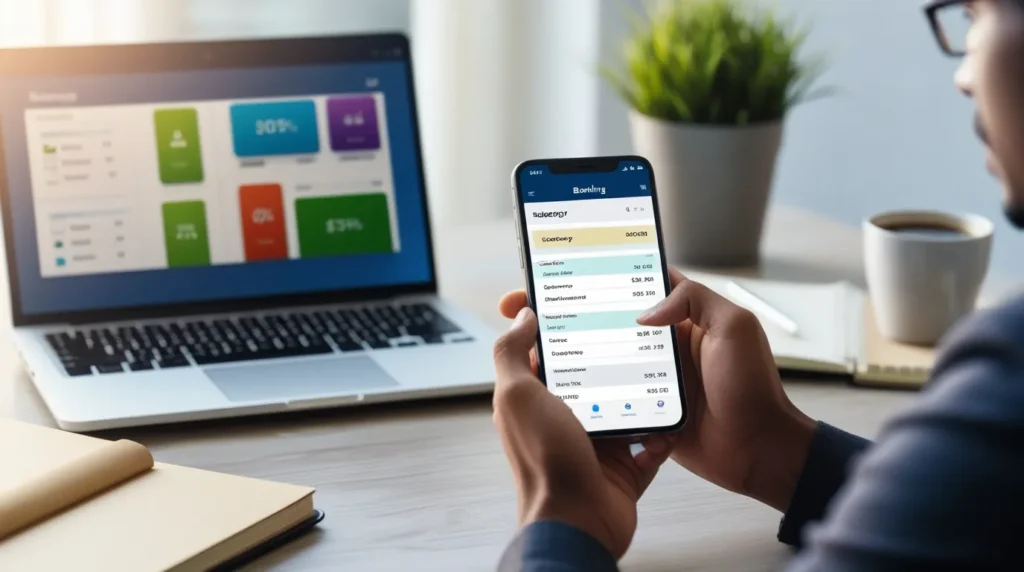
How to Use the Envelope System for Cashless Spending
The envelope system is a classic budgeting technique that helps people control spending, save more, and stay on top of their finances. Traditionally, it involves dividing cash into labeled envelopes for specific expenses. But in today’s digital age, you can adapt this method for a cashless lifestyle while maintaining discipline and accountability.
Here’s how to master the envelope system for digital spending.
🧾 1. What is the Envelope System?
The envelope system is a visual and structured way to manage money. You allocate a set amount to each category of spending — groceries, dining out, entertainment, utilities, and savings. Once the “envelope” is empty, you stop spending in that category for the month.
Benefits:
- Encourages conscious spending
- Prevents overspending in specific categories
- Helps track expenses in real time
💡 Tip: You don’t need physical envelopes; digital tools can replicate the method efficiently.
📱 2. Setting Up a Cashless Envelope System
Step 1: Categorize Your Expenses
Break down your monthly expenses into meaningful categories:
- Necessities: groceries, bills, rent/mortgage, transport
- Lifestyle: dining out, entertainment, shopping
- Savings: emergency fund, investments
- Miscellaneous: gifts, subscriptions
Step 2: Determine Your Budget
Decide how much money to allocate to each category based on your income and priorities.
Step 3: Use Digital Tools
- Bank accounts with sub-accounts or “buckets”: Many banks allow creating separate savings or spending accounts.
- Budgeting apps: Apps like Goodbudget, YNAB, or PocketGuard allow you to create virtual envelopes and track spending.
- Prepaid cards or virtual cards: Assign cards for specific spending categories.
💬 Tip: Regularly check balances to ensure you’re staying within limits.
🧮 3. Track and Adjust Your Spending
The key to success is tracking your expenses carefully:
- Record every transaction under the correct digital envelope.
- Monitor remaining balances to avoid overspending.
- Adjust categories if you consistently have leftover funds or overspend.
💡 Tip: Many apps send notifications when you’re approaching your envelope limit — use them as gentle reminders.
🎯 4. Combine with Savings Goals
The envelope system works best when paired with goal-oriented savings:
- Create a “savings envelope” in your app or account.
- Treat it like a fixed expense — pay yourself first every month.
- Set short-term (vacation, electronics) and long-term (emergency fund, retirement) goals.
💬 Tip: Automate transfers to your digital envelopes to ensure discipline.
💡 5. Advantages of Cashless Envelope System
| Benefit | Why It Works |
|---|---|
| Convenience | No need to carry physical cash; track all spending digitally. |
| Transparency | Clear insight into where your money goes. |
| Flexibility | Easily adjust allocations if priorities change. |
| Security | Digital funds are safer than cash; easy to freeze or recover in case of loss. |
🔄 6. Common Mistakes to Avoid
- Overcomplicating categories: Too many envelopes can make tracking tedious.
- Not updating balances: Missed transactions can throw off your budget.
- Ignoring irregular expenses: Factor annual or occasional costs like insurance, car maintenance, or holidays.
- Spending outside envelopes: Discipline is key — don’t dip into other categories unless absolutely necessary.
💡 Tip: Review your budget monthly and refine envelopes as your lifestyle changes.
Final Thoughts
The envelope system is a simple yet powerful tool to manage money — even in a cashless world. By categorizing expenses, tracking transactions digitally, and setting limits, you can control spending, achieve financial goals, and reduce money stress.
With consistency, your digital envelopes become more than just a budgeting tool — they become a roadmap to financial freedom. 💳✨