

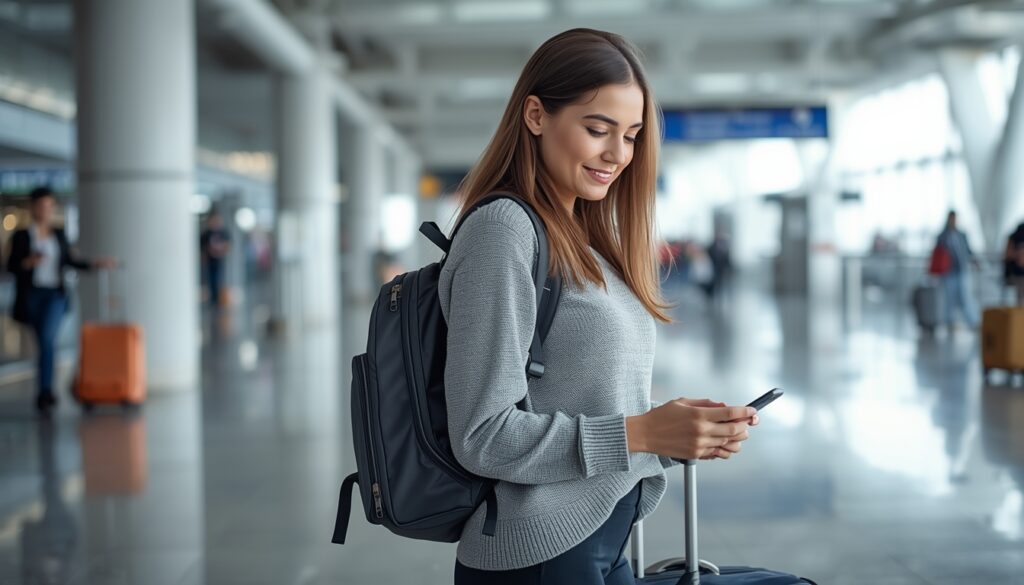
Managing Health and Emergencies When You’re Traveling Alone
Traveling alone can be one of the most empowering and life-changing experiences. You get freedom, flexibility, and the opportunity to truly connect with new places and cultures. But when you’re on your own, health issues and emergencies can feel more intimidating. There’s no familiar support system nearby — which means preparation and awareness become your greatest strengths.
The good news? With smart planning and calm decision-making, you can confidently handle most health and emergency situations while traveling solo.
Why Health Planning Matters More for Solo Travelers
When traveling with others, responsibilities are shared. Someone can help if you fall sick, manage logistics, or communicate with authorities. But when you’re alone, you must rely on your own preparedness.
That doesn’t mean you should feel anxious. It simply means you should travel informed, organized, and proactive.
Before You Leave: Smart Preparation
1. Get Travel Insurance
Never skip travel insurance — especially for international trips. Make sure your policy covers:
- Medical emergencies
- Hospitalization
- Emergency evacuation
- Trip cancellation
- Lost belongings
Keep both digital and printed copies of your policy details.
2. Research Healthcare in Your Destination
Before traveling, find out:
- Where the nearest hospitals or clinics are
- Emergency contact numbers
- Availability of English-speaking doctors
- Local pharmacy access
Save these details in your phone and write them down in case your phone battery dies.
3. Pack a Personal Health Kit
Your kit should include:
- Basic medications (pain relief, fever, allergies)
- Prescription medicines (with doctor’s note if required)
- First aid supplies
- Electrolyte packets
- Hand sanitizer and disinfectant wipes
If you have chronic conditions, carry extra medication in separate bags.
4. Share Your Itinerary
Always share your travel plan with a trusted family member or friend, including:
- Flight details
- Accommodation addresses
- Daily itinerary
- Emergency contact numbers
Regular check-ins provide safety reassurance.
Staying Healthy While Traveling Alone
Hydration and Nutrition
Travel often disrupts eating and sleeping patterns. Drink plenty of water, eat balanced meals, and avoid excessive street food if hygiene standards are uncertain.
Sleep and Rest
Overpacking your schedule increases exhaustion and lowers immunity. Plan downtime between activities.
Hygiene Awareness
Wash hands regularly and be cautious in public transport, markets, and crowded tourist spots.
Trust Your Instincts
If a situation feels unsafe or uncomfortable, leave immediately. Your safety matters more than politeness.
Handling Common Health Issues
Food Poisoning
Symptoms: nausea, vomiting, diarrhea, stomach cramps.
What to do:
- Stay hydrated with electrolyte drinks
- Rest
- Seek medical help if symptoms persist more than 24–48 hours
Minor Injuries
Clean the wound immediately with antiseptic. If swelling or infection develops, visit a local clinic.
Severe Illness or Injury
If you experience:
- Chest pain
- Difficulty breathing
- Severe dehydration
- Uncontrolled bleeding
Call local emergency services immediately. Contact your insurance provider as soon as possible.
What to Do During an Emergency
Stay Calm
Panic clouds judgment. Take a deep breath and assess the situation.
Contact Emergency Services
Know the emergency number of your destination country before you arrive.
Inform Someone Back Home
Send a quick message or call a trusted person.
Use Your Embassy if Necessary
If you lose your passport or face legal trouble, contact your country’s embassy or consulate.
Safety Technology for Solo Travelers
- Keep your phone charged at all times
- Carry a power bank
- Use location-sharing apps
- Download offline maps
- Store digital copies of documents in cloud storage
Mental Health While Traveling Alone
Solo travel can sometimes feel lonely or overwhelming. If you feel anxious:
- Connect with other travelers
- Join guided tours or local classes
- Take a rest day
- Practice breathing exercises or journaling
It’s okay to slow down.
Final Thoughts
Traveling alone doesn’t mean traveling unprotected. When you prepare thoughtfully, you reduce risk and increase confidence. Emergencies are rare — but being ready for them gives you peace of mind.
Solo travel is about growth, independence, and discovering your strength. With awareness, practical planning, and calm decision-making, you can manage health and emergencies effectively — and focus on enjoying your journey.