

How to Run for a Local Board or Council Position
Running for a local board or council position is one of the most powerful ways to create meaningful change in your community. Unlike national politics, local leadership directly impacts daily life — schools, roads, taxes, zoning, small businesses, public safety, and community programs.
If you care about your neighborhood, city, or district, stepping into public service may be the next step in your leadership journey.
This detailed guide explains how to prepare, qualify, campaign, and win a local board or council position.
Why Run for Local Office?
Local government affects:
- Education policies
- Infrastructure and roads
- Property taxes
- Business permits
- Environmental policies
- Community development
- Public safety
Unlike higher-level offices, local campaigns are often more accessible and community-focused. Your reputation, relationships, and commitment matter greatly.
Step 1: Understand the Role and Responsibilities
Before running, research:
- What powers does the board or council have?
- Is it legislative, advisory, or executive?
- How many members are there?
- What is the term length?
- Is it paid or volunteer-based?
Attend public meetings. Review past decisions. Understand current community challenges.
Being informed gives you credibility.
Step 2: Check Eligibility Requirements
Each municipality has specific requirements. Common qualifications include:
- Minimum age requirement
- Residency within the district
- Voter registration status
- No disqualifying legal issues
You will also need to:
- File candidacy paperwork
- Submit nomination forms
- Meet signature requirements (if applicable)
- Pay filing fees (if required)
Contact your local election office for official guidelines.
Step 3: Define Your Purpose and Platform
Voters need clarity.
Ask yourself:
- Why am I running?
- What specific issues matter most?
- What changes do I want to create?
- What makes me qualified?
Focus on 3–5 key issues such as:
- School improvement
- Local business support
- Infrastructure upgrades
- Transparent governance
- Public safety
- Environmental sustainability
Keep your platform simple and practical.
Step 4: Build a Campaign Plan
Even local campaigns require structure.
Your campaign plan should include:
- Budget planning
- Timeline
- Volunteer recruitment
- Community outreach strategy
- Communication plan
Create a Budget
Expenses may include:
- Printing flyers
- Yard signs
- Website development
- Social media ads
- Event hosting
- Filing fees
Even small campaigns require financial organization.
Step 5: Build a Strong Community Presence
Local elections are relationship-driven.
Effective strategies include:
- Door-to-door conversations
- Attending community events
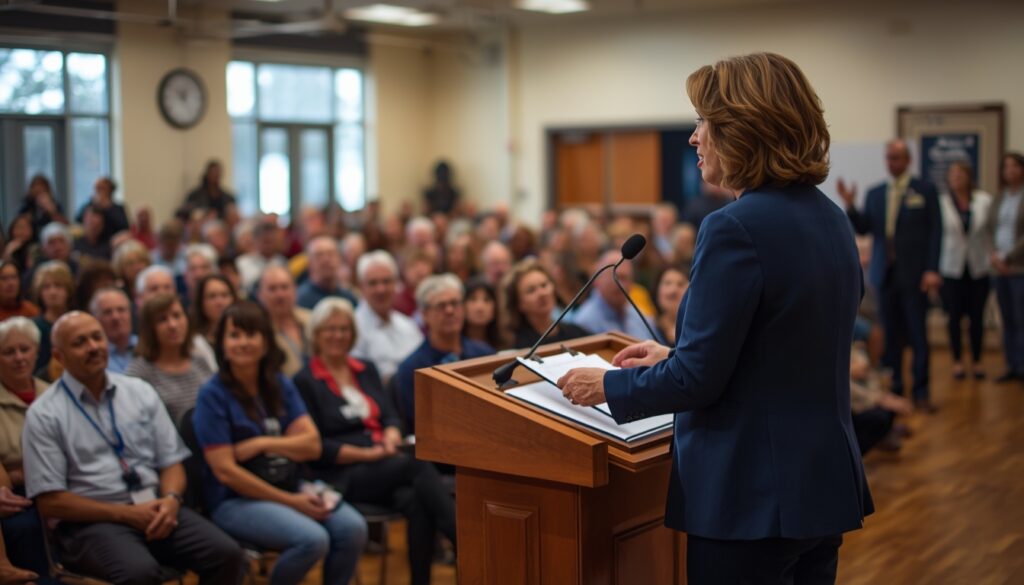
- Speaking at local gatherings
- Visiting small businesses
- Engaging parent groups and civic associations
Personal conversations win local elections more than large advertising budgets.
Be visible and accessible.
Step 6: Develop Clear Campaign Messaging
Your message should be:
- Simple
- Consistent
- Solutions-focused
- Community-centered
Avoid overly complex policy language. Speak clearly about how your plans improve daily life.
Example:
Instead of:
“We aim to enhance fiscal management efficiency.”
Say:
“We will ensure taxpayer money is spent responsibly and transparently.”
Clarity builds trust.
Step 7: Use Social Media Strategically
Even local campaigns benefit from digital presence.
Create:
- A campaign Facebook page
- An Instagram profile
- A simple website
Post:
- Community updates
- Your policy priorities
- Event participation
- Volunteer opportunities
Stay positive. Avoid unnecessary conflict.
Step 8: Prepare for Public Forums and Debates
You may be asked to participate in:
- Town hall meetings
- Community debates
- Public Q&A sessions
Preparation tips:
- Know local issues deeply
- Practice answering tough questions
- Stay calm under pressure
- Focus on solutions, not attacks
Professionalism sets you apart.
Step 9: Fundraising Basics
Local campaigns often rely on:
- Small community donations
- Support from friends and family
- Local fundraising events
Always follow campaign finance laws and reporting requirements.
Transparency builds credibility.
Step 10: Get Out The Vote (GOTV)
As election day approaches:
- Remind supporters to vote
- Share voting dates and locations
- Encourage early voting (if available)
- Organize volunteers to contact voters
Many local elections are decided by small margins. Every vote matters.
Skills That Help You Succeed
You don’t need to be a career politician, but these qualities help:
- Leadership ability
- Clear communication
- Integrity
- Community involvement
- Problem-solving mindset
- Patience
Local governance is about service, not status.
Common Challenges to Expect
- Limited campaign budget
- Public criticism
- Time management stress
- Balancing work and campaigning
- Competing against established candidates
Persistence and professionalism are key.
After Winning: What Comes Next?
If elected:
- Attend orientation sessions
- Learn governance procedures
- Build relationships with other members
- Listen actively to constituents
- Maintain transparency
Winning is the beginning — leadership is ongoing responsibility.
Final Thoughts
Running for a local board or council position is an act of civic courage. It requires commitment, preparation, and genuine care for your community.
Local leadership shapes real change — often faster and more visibly than higher offices.
If you believe in better schools, stronger businesses, safer neighborhoods, and responsible governance, stepping forward could be the right move.
Your community needs leaders who show up.