

Exploring Traditional Folk Crafts from Around the World
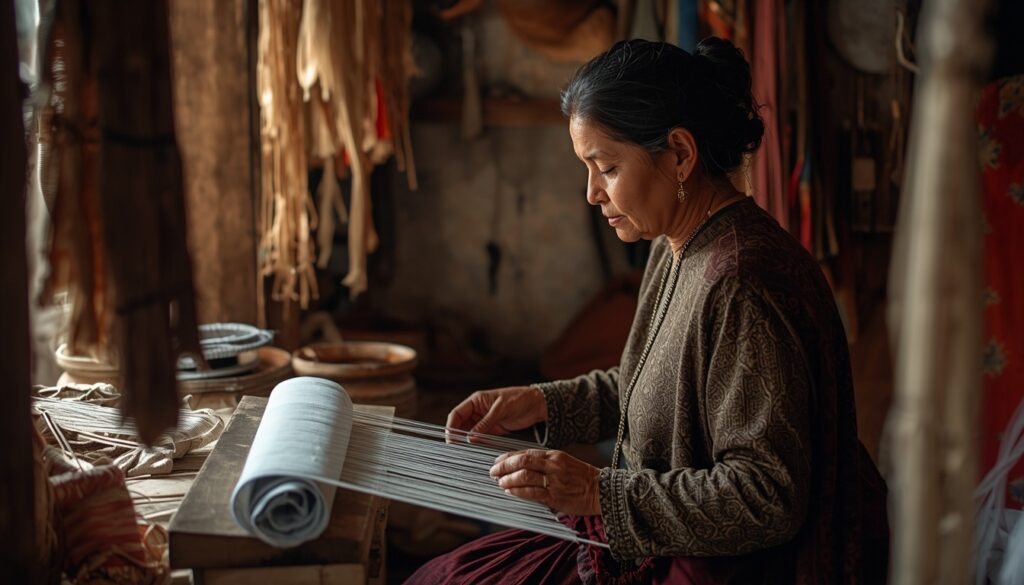
Traditional folk crafts are more than decorative objects—they are living stories passed down through generations. Across cultures, these crafts reflect identity, resilience, creativity, and a deep connection to community and place. For women especially, folk crafts often represent inherited knowledge, patience, and artistry that has quietly shaped cultural history.
Exploring traditional crafts from around the world allows us to appreciate slow creation, human touch, and cultural continuity in an increasingly fast, digital world.
Why Traditional Folk Crafts Matter Today
In a time of mass production, folk crafts remind us of:
- Cultural heritage and identity
- Sustainable, handmade practices
- Storytelling through materials and patterns
- The value of time, skill, and care
Preserving and appreciating these crafts helps protect traditions that might otherwise disappear.
Folk Crafts as Women’s Cultural Legacy
In many societies, women have been the primary keepers of craft traditions—working with textiles, clay, fibers, and natural dyes while passing skills from mother to daughter. These crafts often existed alongside daily life, blending creativity with necessity.
Recognizing folk crafts is also a way of honoring women’s historical labor and creativity.
Textile Traditions from Around the World
Indian Handloom Weaving
India’s weaving traditions—such as Banarasi silk, Ikat, and Kanchipuram—are known for intricate patterns and symbolic motifs, often tied to regional identity and ceremonies.
Andean Weaving (South America)
Using natural fibers and dyes, Andean women create textiles rich in symbolism, with patterns representing nature, ancestry, and community values.
African Kente and Mud Cloth
These textiles communicate status, history, and storytelling through bold patterns and earthy tones, crafted using age-old techniques.
Pottery and Clay Crafts
Japanese Pottery
Japanese folk pottery emphasizes simplicity, balance, and natural imperfections—reflecting harmony between maker and material.
Mexican Talavera
Known for vibrant colors and hand-painted designs, Talavera pottery blends indigenous and colonial influences.
Fiber and Basketry Traditions
African and Native American Basket Weaving
Using grasses, reeds, and natural fibers, baskets are crafted for daily use and ceremonial purposes, combining beauty with function.
Southeast Asian Bamboo Crafts
Bamboo weaving demonstrates resourcefulness and sustainability, transforming natural materials into durable household items.
Embroidery and Decorative Arts
Eastern European Embroidery
Rich in floral motifs and symbolic colors, embroidery tells stories of family, region, and tradition.
Middle Eastern Needlework
Intricate stitching often carries cultural and historical meaning, with designs unique to specific regions.
Folk Crafts and Sustainable Living
Traditional crafts naturally align with modern sustainability values:
- Local materials
- Minimal waste
- Long-lasting products
- Repair and reuse
Supporting folk crafts supports ethical consumption and cultural preservation.
How to Experience Folk Crafts Respectfully
- Learn the cultural context behind each craft
- Support artisans directly when possible
- Avoid mass-produced “imitations”
- Appreciate the skill, not just the aesthetic
Respect turns appreciation into preservation.
Bringing Folk Crafts into Modern Life
Folk crafts can be integrated thoughtfully through:
- Home decor
- Clothing and accessories
- Art collections
- Meaningful gifts
They add depth, story, and soul to modern spaces.
Final Thoughts
Exploring traditional folk crafts from around the world is an invitation to slow down and listen to the stories woven, shaped, and stitched into everyday objects. These crafts reflect cultural memory, women’s creativity, and sustainable living long before those ideas had names. By valuing and supporting folk crafts, we help keep cultural heritage alive—one handmade piece at a time.